In a groundbreaking move that signals a profound shift in personal well-being, Ozlo and Calm have officially launched their co-branded sleepbuds, marking a significant convergence of wearable technology, wellness, and mental health. Unveiled on November 13, 2025, this collaboration introduces a sophisticated device designed not merely to track sleep, but to actively enhance it through an integrated approach combining advanced hardware with premium mindfulness content. This development is poised to redefine how individuals manage their sleep and mental well-being, moving beyond passive monitoring to proactive, personalized intervention.
The Ozlo x Calm Sleepbuds represent a strategic leap forward in the burgeoning health tech sector. By merging Ozlo's specialized sleep hardware with Calm's (privately held) extensive library of guided meditations and sleep stories, the partnership offers a seamless, holistic solution for combating sleep disruption and fostering mental tranquility. This product's immediate significance lies in its ability to provide a frictionless user experience, directly addressing widespread issues of noise-induced sleep problems and mental unrest, while also establishing a new benchmark for integrated wellness solutions in the competitive wearable market.
Technical Innovation and Market Differentiation
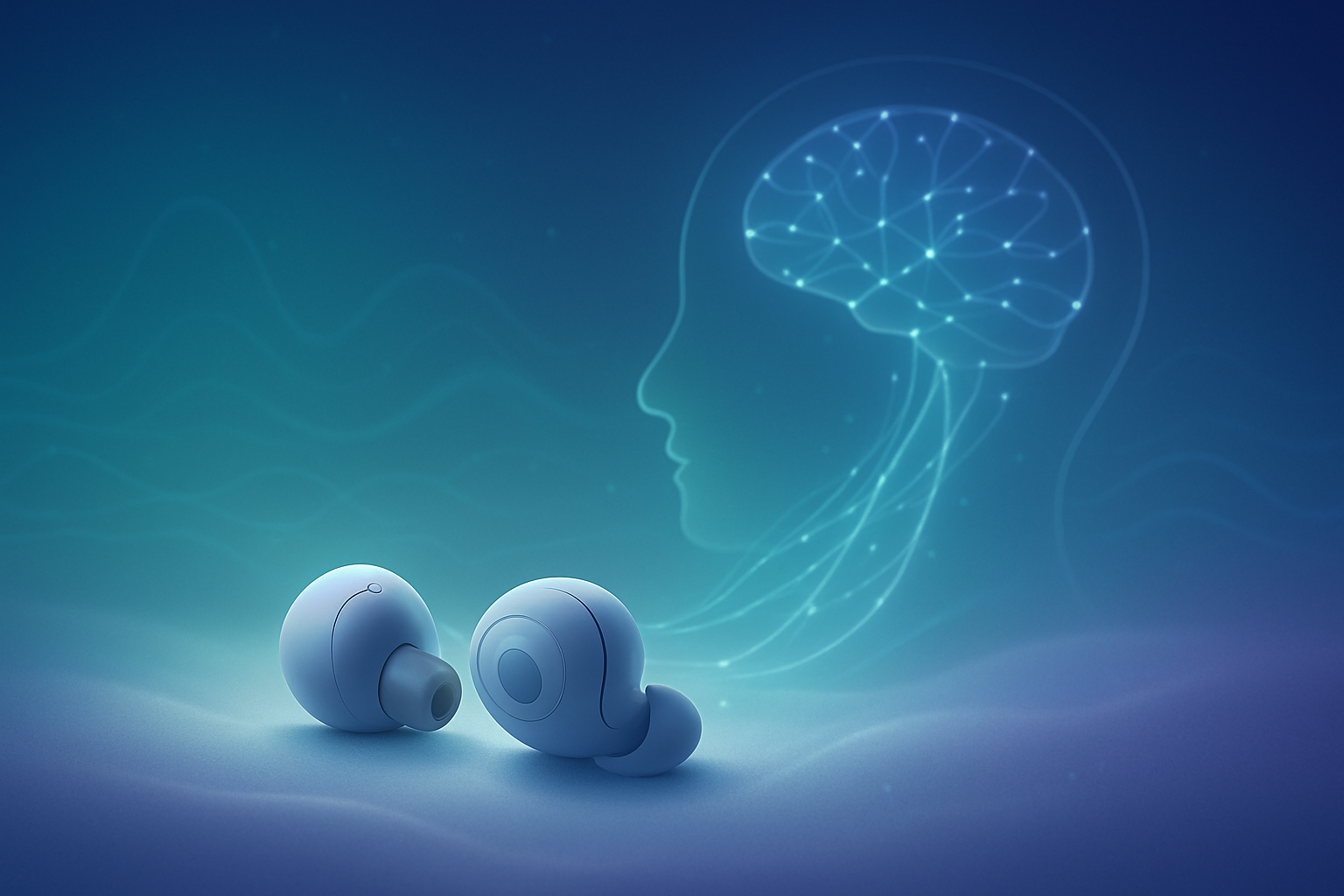
The Ozlo Sleepbuds are a testament to meticulous engineering, designed for all-night comfort, particularly for side sleepers. These tiny, wireless earbuds (measuring 0.5 inches in height and weighing just 0.06 ounces each) are equipped with a custom audio amplifier and on-board noise-masking content, specifically tuned for the sleep environment. Unlike earlier sleep-focused devices, Ozlo Sleepbuds empower users to stream any audio content—be it podcasts, music, or Calm's premium tracks—directly from their devices, a critical differentiator from previous offerings like the discontinued Bose Sleepbuds.
At the heart of Ozlo's intelligence is its array of sensors and AI capabilities. The sleepbuds incorporate sleep-detecting accelerometers to monitor user sleep patterns, while the accompanying Smart Case is a hub of environmental intelligence, featuring tap detection, an ambient noise detector, an ambient temperature sensor, and an ambient light sensor. This comprehensive data collection fuels a proprietary "closed-loop system" where AI and machine learning provide predictive analytics and personalized recommendations. Ozlo is actively developing a sleep-staging algorithm that utilizes in-ear metrics (respiration rate, movement) combined with environmental data to generate daily sleep reports and inform intelligent, automatic adjustments by the device. This "sensor-driven intelligence" allows the sleepbuds to detect when a user falls asleep and seamlessly transition from streaming audio to pre-programmed noise-masking sounds, offering a truly adaptive experience. With up to 10 hours of playback on a single charge and an additional 32 hours from the Smart Case, battery life concerns prevalent in earlier devices have been effectively addressed.
Initial reactions from industry experts and users have been overwhelmingly positive. Honored at CES 2025 in the Headphones & Personal Audio category, the Ozlo Sleepbuds have been lauded for their innovative design and capabilities. Analysts from publications like Time Magazine have noted their intelligence, highlighting how they "adjust to your sleep" rather than just tracking it. Users have praised their comfort and effectiveness, often calling them "life-changing" and a superior alternative to previous sleep earbuds due to their added streaming flexibility, long battery life, and biometric capabilities. The successful Indiegogo campaign, raising $5.5 million, further underscores strong consumer confidence in this advanced approach to sleep health.
Reshaping the AI and Tech Industry Landscape
The emergence of integrated wearable sleep technologies like the Ozlo x Calm Sleepbuds is driving a transformative shift across the AI and tech industry. This convergence, fueled by the increasing global recognition of sleep's critical role in health and mental well-being, is creating new opportunities and competitive pressures.
Wearable device manufacturers such as Apple (NASDAQ: AAPL), Google (NASDAQ: GOOGL) (via Fitbit), Samsung (KRX: 005930), and specialized players like Oura and Whoop, stand to benefit significantly. The demand for devices offering accurate sleep tracking, biometric data collection, and personalized insights is soaring. AI and machine learning labs are also crucial beneficiaries, developing the sophisticated algorithms that process vast amounts of biometric and environmental data to provide personalized recommendations and real-time interventions. Digital wellness platforms like Calm (privately held) and Headspace (privately held) are expanding their reach through strategic partnerships, solidifying their role as content providers for these integrated solutions. Furthermore, a new wave of specialized sleep tech startups focusing on AI-powered diagnostics, personalized sleep plans, and specific issues like sleep apnea are entering the market, demonstrating robust innovation.
For major tech giants, the competitive landscape now hinges on integrated ecosystems. Companies that can seamlessly weave sleep and wellness features into their broader hardware and software offerings will gain a significant advantage. Data, collected ethically and analyzed effectively, is becoming a strategic asset for developing more accurate and effective AI models. Strategic acquisitions and partnerships, such as the Ozlo-Calm collaboration, are becoming vital for expanding portfolios and accessing specialized expertise. This trend also signals a shift from mere sleep tracking to active intervention; devices offering proactive guidance and personalized improvement strategies will outperform those that simply monitor. However, the collection of sensitive health data necessitates a strong focus on ethical AI, robust data privacy, and transparent models, which will be crucial differentiators.
This development also poses a potential disruption to existing products and services. Traditional over-the-counter sleep aids may see reduced demand as data-driven, non-pharmacological interventions gain traction. Advanced wearable AI devices are increasingly enabling accurate home sleep apnea testing, potentially reducing the need for costly in-lab studies. Generic fitness trackers offering only basic sleep data without deeper analytical insights or mental wellness integration may struggle to compete. While AI-powered chatbots and virtual therapists are unlikely to fully replace human therapists, they offer accessible and affordable support, serving as a valuable first line of defense or complementary tool. Companies that can offer holistic wellness platforms, backed by science and hyper-personalization via AI, will establish strong market positions.
A Wider Lens: Societal Impact and Ethical Considerations
The convergence of wearable technology, wellness, and AI, epitomized by Ozlo and Calm, signifies a pivotal moment in the broader AI landscape, moving towards personalized, accessible, and proactive health management. This trend aligns with the broader push for personalized medicine, where AI leverages individual data for tailored treatment plans. It also exemplifies the power of predictive analytics, with machine learning identifying early signs of mental health deterioration, and the rise of advanced therapeutic tools, from VR experiences to interactive chatbots.
The societal impacts are profound and multifaceted. On the positive side, this integration can significantly increase access to mental health resources, especially for underserved populations, and help reduce the stigma associated with seeking help. Continuous monitoring and personalized feedback empower individuals to take a more active role in their well-being, fostering preventive measures. AI tools can also augment human therapists, handling administrative tasks and providing ongoing support, allowing clinicians to focus on more complex cases.
However, this advancement is not without its concerns, particularly regarding data privacy. Wearable devices collect deeply personal and sensitive information, including emotional states, behavioral patterns, and biometric data. The potential for misuse, unauthorized access, or discrimination based on this data is significant. Many mental health apps and wearable platforms often share user data with third parties, sometimes without explicit and informed consent, raising critical privacy issues. The risk of re-identification from "anonymized" data and vulnerabilities to security breaches are also pressing concerns. Ethical considerations extend to algorithmic bias, ensuring fairness and transparency, and the inherent limitations of AI in replicating human empathy.
Comparing this to previous AI milestones in health, such as early rule-based diagnostic systems (MYCIN in the 1970s) or deep learning breakthroughs in medical imaging diagnostics (like diabetic retinopathy in 2017), the current trend represents a shift from primarily supporting clinicians in specialized tasks to empowering individuals in their daily wellness journey. While earlier AI focused on enhancing clinical diagnostics and drug discovery, this new era emphasizes real-time, continuous monitoring, proactive care, and personalized, in-the-moment interventions delivered directly to the user, democratizing access to mental health support in an unprecedented way.
The Horizon: Future Developments and Expert Predictions
The future of wearable technology, wellness, and mental health, as spearheaded by innovations like Ozlo and Calm, promises even deeper integration and more sophisticated, proactive approaches to well-being.
In the near-term (1-5 years), we can expect continued advancements in the accuracy and breadth of physiological and behavioral data collected by wearables. Devices will become even more adept at identifying subtle patterns indicative of mental health shifts, enabling earlier detection of conditions like anxiety and depression. Personalization will intensify, with AI algorithms adapting interventions and recommendations based on real-time biometric feedback and individual behavioral patterns. The seamless integration of wearables with existing digital mental health interventions (DMHIs) will allow therapists to incorporate objective physiological data into their treatment plans, enhancing the efficacy of care.
Looking further ahead (5+ years), wearable technology will become even less intrusive, potentially manifesting in smart fabrics, advanced neuroprosthetics, or smart contact lenses. Biosensors will evolve to measure objective mental health biomarkers, such as cortisol levels in sweat or more precise brain activity via wearable EEG. AI will move beyond data interpretation to become a "middleman," proactively connecting wellness metrics with healthcare providers and potentially triggering alerts in time-sensitive health emergencies. The integration of virtual reality (VR) and augmented reality (AR) with AI-powered wellness platforms could create immersive therapeutic experiences for relaxation and emotional regulation. Potential applications include highly personalized interventions for stress and anxiety, enhanced therapy through objective data for clinicians, and even assistance with medication adherence.
However, several challenges must be addressed for this future to be fully realized. Data privacy, security, and ownership remain paramount, requiring robust frameworks to protect highly sensitive personal health information. Ensuring the accuracy and reliability of consumer-grade wearable data for clinical purposes, and mitigating algorithmic bias, are also critical. Ethical concerns surrounding "mental privacy" and the potential for overreliance on technology also need careful consideration. Seamless integration with existing healthcare systems and robust regulatory frameworks will be essential for widespread adoption and trust.
Experts predict a future characterized by proactive, personalized, and continuous health management. They anticipate deeper personalization, where AI-driven insights anticipate health changes and offer real-time, adaptive guidance. Wearable data will become more accessible to healthcare providers, with AI acting as an interpreter to flag patterns that warrant medical attention. While acknowledging the immense potential of AI chatbots for accessible support, experts emphasize that AI should complement human therapists, handling logistical tasks or supporting journaling, rather than replacing the essential human connection in complex therapeutic relationships. The focus will remain on evidence-based support, ensuring that these advanced technologies genuinely enhance mental well-being.
A New Chapter in AI-Powered Wellness
The launch of the Ozlo x Calm Sleepbuds marks a significant chapter in the evolving story of AI in health. It underscores a crucial shift from reactive treatment to proactive, personalized wellness, placing the power of advanced technology directly into the hands of individuals seeking better sleep and mental health. This development is not merely about a new gadget; it represents a philosophical pivot towards viewing sleep as a "superpower" and a cornerstone of modern health, intricately linked with mental clarity and emotional resilience.
The key takeaways from this development are the emphasis on integrated solutions, the critical role of AI in personalizing health interventions, and the growing importance of strategic partnerships between hardware innovators and content providers. As AI continues to mature, its application in wearable wellness will undoubtedly expand, offering increasingly sophisticated tools for self-care.
In the coming weeks and months, the industry will be watching closely for user adoption rates, detailed efficacy studies, and how this integrated approach influences the broader market for sleep aids and mental wellness apps. The success of Ozlo and Calm's collaboration could pave the way for a new generation of AI-powered wearables that not only track our lives but actively enhance our mental and physical well-being, pushing the boundaries of what personal health technology can achieve.
This content is intended for informational purposes only and represents analysis of current AI developments.
TokenRing AI delivers enterprise-grade solutions for multi-agent AI workflow orchestration, AI-powered development tools, and seamless remote collaboration platforms.
For more information, visit https://www.tokenring.ai/.