
Tag: workforce development

  • Navigating the AI Tsunami: Why AI Literacy is the New Imperative for 2025 and Beyond

    Navigating the AI Tsunami: Why AI Literacy is the New Imperative for 2025 and Beyond

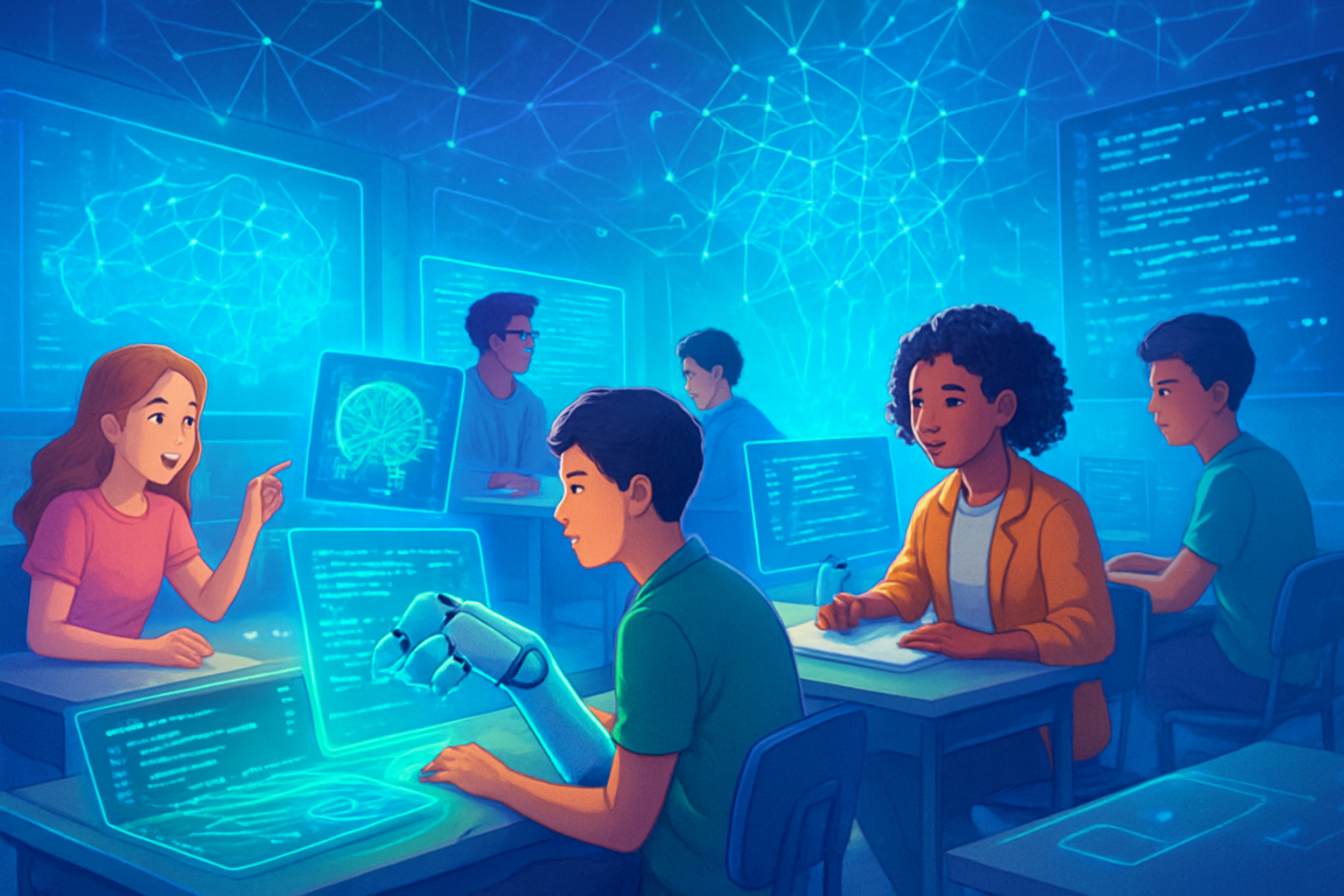
    The year 2025 marks a critical juncture in the widespread adoption of Artificial Intelligence, moving it from a specialized domain to a fundamental force reshaping nearly every facet of society and the global economy. As AI systems become increasingly sophisticated and ubiquitous, the ability to understand, interact with, and critically evaluate these technologies—a concept now widely termed "AI literacy"—is emerging as a non-negotiable skill for individuals and a strategic imperative for organizations. This shift isn't just about technological advancement; it's about preparing humanity for a future where intelligent machines are integral to daily life and work, demanding a proactive approach to education and adaptation.

    This urgency is underscored by a growing consensus among educators, policymakers, and industry leaders: AI literacy is as crucial today as traditional reading, writing, and digital skills were in previous eras. It’s the linchpin for responsible AI transformation, enabling safe, transparent, and ethical deployment of AI across all sectors. Without it, individuals risk being left behind in the evolving workforce, and institutions risk mismanaging AI’s powerful capabilities, potentially exacerbating existing societal inequalities or failing to harness its full potential for innovation and progress.

    Beyond the Buzzwords: Deconstructing AI Literacy for the Modern Era

    AI literacy in late 2025 extends far beyond simply knowing how to use popular AI applications like generative AI tools. It demands a deeper comprehension of how these systems operate, their underlying algorithms, capabilities, limitations, and profound societal implications. This involves understanding concepts such as algorithmic bias, data privacy, the nuances of prompt engineering, and even the phenomenon of AI "hallucinations"—where AI generates plausible but factually incorrect information. It’s a multi-faceted competency that integrates technical awareness with critical thinking and ethical reasoning.

    Experts highlight that AI literacy differs significantly from previous digital literacy movements. While digital literacy focused on using computers and the internet, AI literacy requires understanding autonomous systems that can learn, adapt, and make decisions, often with opaque internal workings. This necessitates a shift in mindset from passive consumption to active, critical engagement. Initial reactions from the AI research community and industry experts emphasize the need for robust educational frameworks that cultivate not just technical proficiency but also a strong ethical compass and the ability to verify and contextualize AI outputs, rather than accepting them at face value. The European Commission's AI Act, for instance, is setting a precedent by introducing mandatory AI literacy requirements at corporate and institutional levels, signaling a global move towards regulated AI understanding and responsible deployment.

    Reshaping the Corporate Landscape: AI Literacy as a Competitive Edge

    For AI companies, tech giants, and startups, the widespread adoption of AI literacy has profound implications for talent acquisition, product development, and market positioning. Companies that proactively invest in fostering AI literacy within their workforce stand to gain a significant competitive advantage. An AI-literate workforce is better equipped to identify and leverage AI opportunities, innovate faster, and collaborate more effectively between technical and non-technical teams. Research indicates that professionals combining domain expertise with AI literacy could command salaries up to 35% higher, highlighting the premium placed on this skill.

    Major tech companies like Alphabet (NASDAQ: GOOGL), Microsoft (NASDAQ: MSFT), and Amazon (NASDAQ: AMZN) are already heavily investing in AI literacy initiatives, both internally for their employees and externally through public education programs. This not only strengthens their own talent pipelines but also cultivates a broader ecosystem of AI-savvy users for their products and services. Startups, in particular, can benefit immensely by building teams with a high degree of AI literacy, enabling them to rapidly prototype, iterate, and integrate AI into their core offerings, potentially disrupting established markets. Conversely, companies that neglect AI literacy risk falling behind, struggling to adopt new AI tools effectively, facing challenges in attracting top talent, and potentially mismanaging the ethical and operational risks associated with AI deployment. The competitive landscape is increasingly defined by who can most effectively and responsibly integrate AI into their operations, making AI literacy a cornerstone of strategic success.

    A Broader Lens: AI Literacy's Societal Resonance

    The push for AI literacy transcends corporate interests, fitting into a broader societal trend of adapting to rapid technological change. It echoes historical shifts, such as the industrial revolution or the dawn of the internet, each of which necessitated new forms of literacy and adaptation. However, AI’s pervasive nature and its capacity for autonomous decision-making introduce unique challenges and opportunities. The World Economic Forum’s Future of Jobs Report 2025 projects that nearly 40% of required global workforce skills will change within five years, underscoring the urgency of this educational transformation.

    Beyond economic impacts, AI literacy is becoming a critical civic skill. In an era where AI-generated content can influence public opinion and spread misinformation, an understanding of AI’s capabilities and limitations is vital for safeguarding democratic processes and digital trust. Concerns about algorithmic bias, privacy, and the potential for AI to exacerbate existing inequalities (the "digital divide") are amplified if the general populace lacks the understanding to critically assess AI systems. Ensuring equitable access to AI education and resources, particularly in underfunded or rural areas, is paramount to prevent AI from becoming another barrier to social mobility. Furthermore, the ethical implications of AI—from data usage to autonomous decision-making in critical sectors—demand a universally informed populace capable of participating in ongoing public discourse and policy formation.

    The Horizon: Evolving AI Literacy and Future Applications

    Looking ahead, the landscape of AI literacy is expected to evolve rapidly, driven by advancements in generative and agentic AI. Near-term developments will likely see AI literacy becoming a standard component of K-12 and higher education curricula globally. California, for instance, has already mandated the integration of AI literacy into K-12 math, science, and history-social science, setting a precedent. Educational institutions are actively rethinking assessments, shifting towards methods that AI cannot easily replicate, such as in-class debates and portfolio projects, to cultivate deeper understanding and critical thinking.

    Long-term, AI literacy will likely become more specialized, with individuals needing to understand not just general AI principles but also domain-specific applications and ethical considerations. The rise of AI agents, capable of performing complex tasks autonomously, will necessitate an even greater emphasis on human oversight, ethical frameworks, and the ability to effectively communicate with and manage these intelligent systems. Experts predict a future where personalized AI learning platforms, driven by AI itself, will tailor educational content to individual needs, making lifelong AI learning more accessible and continuous. Challenges remain, including developing scalable and effective teacher training programs, ensuring equitable access to technology, and continuously updating curricula to keep pace with AI’s relentless evolution.

    Charting the Course: A Foundational Shift in Human-AI Interaction

    In summary, the call to "Get Ahead of the AI Curve" is not merely a suggestion but a critical directive for late 2025 and beyond. AI literacy represents a foundational shift in how individuals and institutions must interact with technology, moving from passive consumption to active, critical, and ethical engagement. Its significance in AI history will be measured by its role in democratizing access to AI's benefits, mitigating its risks, and ensuring a responsible trajectory for its development and deployment.

    Key takeaways include the urgency of integrating AI education across all levels, the strategic importance of AI literacy for workforce development and corporate competitiveness, and the ethical imperative of fostering a critically informed populace. In the coming weeks and months, watch for increased governmental initiatives around AI education, new industry partnerships aimed at reskilling workforces, and the continued evolution of educational tools and methodologies designed to cultivate AI literacy. As AI continues its inexorable march, our collective ability to understand and responsibly wield this powerful technology will determine the shape of the future.


    This content is intended for informational purposes only and represents analysis of current AI developments.

    TokenRing AI delivers enterprise-grade solutions for multi-agent AI workflow orchestration, AI-powered development tools, and seamless remote collaboration platforms.
    For more information, visit https://www.tokenring.ai/.

  • Singapore Sounds Global Alarm: Invest in Humanity for the AI Age

    Singapore Sounds Global Alarm: Invest in Humanity for the AI Age

    Singapore's Prime Minister Lawrence Wong has issued a powerful and urgent global appeal to governments worldwide: prioritize significant investment in preparing their workforces for the transformative era of artificial intelligence. This clarion call, delivered amidst escalating anxieties over AI-driven job displacement, underscores a deliberate, human-centric approach to technological advancement. It positions the state as a crucial architect in ensuring that the immense benefits of AI are equitably distributed, fostering economic growth while safeguarding societal stability and individual livelihoods. The immediate significance of this message lies in its proactive stance, advocating for a global strategy that marries aggressive AI adoption with robust policies for continuous education, reskilling, and job redesign, rather than leaving the future of work solely to market forces.

    A Blueprint for Human-Centric AI Integration

    Prime Minister Wong’s announcement is not merely a caution but a comprehensive blueprint for national and international action. At its core, Singapore's strategy emphasizes that AI's primary purpose should be to create and enhance local jobs, boost productivity, and benefit the workforce, rather than causing widespread displacement. This approach fundamentally differs from a laissez-faire outlook, which often assumes new jobs will automatically emerge to replace those lost. Wong explicitly stated that "there is no economic law that guarantees" such an outcome, stressing that governments "cannot leave this to the market." This marks a significant shift, acknowledging the unprecedented speed of AI-driven disruption and the need for deliberate intervention.

    Technically, Singapore's multi-pronged strategy involves substantial overhauls and new initiatives. The SkillsFuture Programme is being revamped with the SkillsFuture Level-Up Programme, offering significant credit top-ups (e.g., SG$4,000 for Singaporeans aged 40 and above) for eligible training, including part-time and full-time diplomas and undergraduate courses. A Mid-Career Training Allowance provides up to SG$3,000 per month for workers over 40 to pursue approved full-time courses, with plans to extend this to part-time learners by early 2026. Furthermore, the National AI Strategy (NAIS) 2.0 aims to triple Singapore’s AI practitioners to 15,000 within three to five years through local training and international recruitment. The AI Apprenticeship Programme is being expanded, and universities are increasing AI course offerings, with some making AI a compulsory introductory subject for computer science students. These initiatives represent a concerted effort to proactively equip the workforce with the skills needed to thrive in an AI-driven economy, moving beyond reactive measures to systemic preparation. Initial reactions from policy experts and labor organizations have largely been positive, hailing Singapore's pragmatic and forward-thinking approach as a potential model for other nations grappling with similar challenges.

    Reshaping the AI Industry Landscape

    Singapore's proactive stance has significant implications for AI companies, tech giants, and startups globally. Companies specializing in AI education, reskilling platforms, and workforce development solutions stand to benefit immensely. Firms offering AI tools designed for productivity enhancement and job augmentation, particularly those tailored for Small and Medium-sized Enterprises (SMEs), will find a fertile ground for growth. The emphasis on broad-based AI adoption, rather than solely focusing on frontier advancements, encourages the development of practical, accessible AI solutions that can be integrated across various sectors, boosting overall economic productivity.

    For major AI labs and tech companies, Singapore's call signals a growing global expectation for responsible and human-centric AI development. While these companies often lead in innovation, they may face increasing pressure from governments to demonstrate how their technologies contribute to job creation and workforce empowerment, rather than solely focusing on efficiency gains that could lead to displacement. This could disrupt existing product roadmaps, pushing companies to invest more in explainable AI, human-in-the-loop systems, and collaborative AI tools. Startups that align with Singapore's vision, focusing on solutions that empower workers and facilitate reskilling, could gain significant market positioning and strategic advantages, potentially attracting government partnerships and investment in a global landscape increasingly prioritizing inclusive AI growth. The competitive landscape may shift towards companies that can offer not just cutting-edge AI, but also comprehensive strategies for its ethical and societal integration.

    A Global Imperative for Inclusive AI Growth

    Singapore's advocacy for workforce preparation fits squarely into the broader global AI landscape, which is increasingly grappling with the societal impacts of rapid technological advancement. It highlights a critical trend: the shift from viewing AI purely as a technological marvel to recognizing it as a profound societal force requiring careful governance and strategic human capital development. The call echoes concerns raised by international bodies like the International Monetary Fund (IMF), which has pointed to Singapore's particular exposure to AI's workplace disruptions due to its skilled workforce. This initiative serves as a potential global benchmark, especially for other small, open economies, demonstrating how aggressive tech adoption can be balanced with human-centric policies to maintain societal stability in a turbulent world marked by economic fragmentation and geopolitical tensions.

    The potential concerns addressed by this proactive approach include the exacerbation of income inequality, particularly affecting women and younger workers, if AI's benefits are not widely distributed. By emphasizing broad-based AI adoption and supporting SMEs, Singapore aims to ensure that the returns from AI investments accrue not just to the owners of capital, but also to workers and the broader populace. This contrasts sharply with earlier industrial revolutions, where the social safety nets and educational infrastructure often lagged behind technological change, leading to significant social unrest. Singapore's engagement in international forums like APEC, advocating for cooperation and best practices in AI, further underscores its commitment to shaping a responsible global AI future, exemplified by initiatives like the AI Verify Foundation and the Singapore Consensus on Global AI Safety Research Priorities.

    The Road Ahead: Continuous Adaptation and Global Collaboration

    Looking ahead, the initiatives outlined by Singapore's Prime Minister signal a future characterized by continuous adaptation and robust international collaboration in the realm of AI and workforce development. Near-term developments will likely see the full implementation and expansion of programs like the SkillsFuture Level-Up Programme and the Mid-Career Training Allowance, with the latter extending to part-time learners by early 2026. The push to triple Singapore's AI practitioners to 15,000 within three to five years will necessitate sustained investment in specialized training and talent attraction.

    In the long term, experts predict that the concept of a static career will become increasingly obsolete, replaced by a dynamic model of lifelong learning and multiple career pivots. This will require not just government-led initiatives but also a fundamental shift in corporate culture towards continuous employee upskilling and reskilling. Potential applications and use cases on the horizon include highly personalized AI-powered learning platforms, advanced job-matching algorithms that identify skill gaps and suggest relevant training, and collaborative AI systems that augment human capabilities rather than replacing them entirely. Challenges that need to be addressed include ensuring equitable access to these training opportunities, particularly for vulnerable populations, and constantly updating curricula to keep pace with rapidly evolving AI technologies. Experts predict that successful nations will be those that can foster a strong ecosystem of government, industry, and academia working in concert to cultivate an adaptable and resilient workforce.

    A Defining Moment for the Future of Work

    Singapore's Prime Minister Lawrence Wong's call for global governments to invest in preparing their workforces for the age of artificial intelligence marks a defining moment in the ongoing discourse about the future of work. The key takeaway is clear: the transition to an AI-powered economy cannot be left to chance; it requires deliberate, proactive, and human-centric government intervention. Singapore's comprehensive strategy, encompassing significant investments in lifelong learning, job redesign, and talent development, offers a tangible model for other nations.

    This development holds immense significance in AI history, shifting the narrative from technological determinism to one of human agency and responsible governance. It underscores that while AI's capabilities are profound, its ultimate impact on society will be shaped by the policy choices made today. The long-term impact could be a more equitable and resilient global workforce, capable of harnessing AI's potential for widespread prosperity. In the coming weeks and months, the world will be watching to see how other nations respond to this call, and how Singapore continues to refine and implement its ambitious strategy. The success of these initiatives will not only benefit Singaporeans but could also provide invaluable lessons for a world grappling with the profound implications of the AI revolution.


    This content is intended for informational purposes only and represents analysis of current AI developments.

    TokenRing AI delivers enterprise-grade solutions for multi-agent AI workflow orchestration, AI-powered development tools, and seamless remote collaboration platforms.
    For more information, visit https://www.tokenring.ai/.

  • High School Seniors Eye Tech Futures: ATU’s ‘Time Out for Tech’ Signals a Growing Trend

    High School Seniors Eye Tech Futures: ATU’s ‘Time Out for Tech’ Signals a Growing Trend

    RUSSELLVILLE, AR – October 29, 2025 – High school seniors across the nation are increasingly setting their sights on careers in technology, a trend vividly exemplified by events such as Arkansas Tech University's (ATU) annual 'Time Out for Tech.' This pivotal preview day, designed to immerse prospective students in the world of collegiate tech education, underscores a significant shift in educational priorities and workforce development. As the digital economy continues its rapid expansion, the burgeoning interest among the graduating class of 2026 in fields like computer science, cybersecurity, and information technology is not just a passing fad but a critical indicator of future talent pipelines for the global tech industry.

    The immediate significance of events like 'Time Out for Tech' lies in their direct contribution to nurturing the next generation of innovators and problem-solvers. By offering a comprehensive glimpse into university life and specialized academic programs, ATU and similar institutions are actively addressing the escalating demand for skilled tech professionals. This proactive engagement at the high school level is essential for bridging the widening skills gap and ensuring a robust, adaptable workforce capable of navigating the complexities of an AI-driven world.

    Unpacking ATU's 'Time Out for Tech' and the Tech Education Boom

    ATU's 'Time Out for Tech' is more than just an open house; it's a strategically designed experience for high school seniors and their guardians. The event, typically held annually, aims to provide an overall look at university life, foster connections with faculty and potential classmates, and offer crucial information on admissions, financial aid, and student services. Attendees participate in academic fairs, campus tours, and dedicated sessions, allowing them to envision their future at ATU and explore potential degree paths within the College of Science, Technology, Engineering, and Mathematics (STEM).

    A key highlight for many aspiring tech professionals is the Division of Computing Sciences, which showcases a diverse array of programs tailored to current industry demands. These include the Bachelor of Science in Computer Science, which prepares students for roles as software developers and systems analysts; the Bachelor of Science in Cybersecurity, a response to the critical need for specialists in an era of escalating cyber threats; and the Bachelor of Science in Information Technology (IT), covering programming, database management, website design, and data science. Additionally, the Associate of Applied Science (AAS) in Cybersecurity offers a focused pathway into data protection and system compromise techniques. These programs distinguish themselves through an emphasis on real-world projects and hands-on experiences, often culminating in internships or large-scale capstone projects, ensuring graduates are job-ready upon completion.

    The increasing engagement of high school students in technology education is backed by compelling statistics. Since 2020, EdTech usage in K-12 education has surged by 99%, with 89% of instructors now integrating educational technology. A remarkable 92% of students believe technology education equips them with valuable future workforce skills, and 76% find technology makes learning more engaging. The pervasive influence of Artificial Intelligence (AI) is particularly notable, with 92% of students adopting AI tools and 89% using platforms like ChatGPT for academic tasks, demonstrating a widespread reliance on AI in their learning journeys. This deep integration of technology from an early age naturally cultivates an interest in pursuing tech as a career, differentiating today's students from previous generations who had less exposure to advanced digital tools.

    Corporate Implications: Fueling the Tech Talent Pipeline

    The growing interest in tech education among high school seniors, as evidenced by events like ATU's 'Time Out for Tech,' has profound implications for AI companies, tech giants, and startups alike. Companies such as Alphabet (NASDAQ: GOOGL), Microsoft (NASDAQ: MSFT), and Amazon (NASDAQ: AMZN) stand to significantly benefit from a robust and expanding talent pipeline. Universities like ATU, by actively engaging and educating future tech professionals, become crucial feeders for these corporations, ensuring a steady supply of graduates equipped with the latest skills in AI, cybersecurity, software development, and data science.

    This trend directly addresses the competitive pressures within the tech industry. Major AI labs and tech companies are constantly vying for top talent, and a larger pool of well-prepared graduates can alleviate talent shortages and drive innovation. Universities that proactively adapt their curricula to meet industry needs, as ATU does with its specialized programs, gain a strategic advantage in attracting both students and corporate partnerships. This also minimizes potential disruption to existing products and services that might arise from a lack of skilled personnel.

    For startups, this influx of talent is equally vital. Access to a larger pool of graduates with foundational and specialized tech skills means a greater chance of finding individuals who can contribute to rapid growth and development without extensive retraining. This can significantly impact their ability to innovate and compete with larger, more established players. Furthermore, companies that engage with educational institutions through internships, mentorships, and curriculum feedback can position themselves as preferred employers, securing early access to promising talent.

    Wider Significance: Shaping the AI Landscape and Future Workforce

    This groundswell of interest in tech education among high school seniors fits perfectly into the broader AI landscape and ongoing technological trends. It signifies a societal recognition that digital literacy and specialized tech skills are no longer niche but foundational for economic growth and individual success in the 21st century. The widespread adoption of AI in education, with 92% of students already using AI tools, highlights a generation that is not just consuming technology but is ready to create and innovate with it.

    The impacts are far-reaching. By encouraging more students to pursue STEM fields, events like 'Time Out for Tech' are crucial in addressing the existing and projected skill gaps in the tech industry. This proactive approach helps future-proof the workforce, preparing individuals for roles that may not even exist yet but will undoubtedly rely on a strong technological foundation. Moreover, initiatives that embed AI education across communities and universities are vital for developing the next generation of American developers, researchers, and engineers, thereby closing opportunity and workforce readiness gaps.

    However, potential concerns also exist. The high cost of higher education remains a barrier for many, and while tech careers offer lucrative opportunities, the perception that AI might automate some "white-collar" tech jobs could influence educational choices. Nevertheless, experts widely agree that AI will more likely evolve roles rather than eliminate them, requiring continuous learning and adaptation. This trend is comparable to previous industrial revolutions, where new technologies necessitated new skill sets, making today's focus on tech education a critical milestone in humanity's technological evolution.

    The Road Ahead: Expected Developments and Emerging Applications

    Looking ahead, the momentum generated by events like 'Time Out for Tech' is expected to drive significant developments in both near-term and long-term tech education. We can anticipate a continued expansion of specialized tech programs in universities, with an even greater emphasis on interdisciplinary studies that blend AI, data science, and cybersecurity with other fields. The integration of AI tools and methodologies into every aspect of the curriculum, from coding to project management, will become standard, preparing students for an AI-centric professional world.

    Potential applications and use cases on the horizon are vast. Graduates from these programs will be at the forefront of developing advanced AI systems for healthcare, autonomous vehicles, sustainable energy solutions, and personalized education platforms. They will also be instrumental in securing digital infrastructures against increasingly sophisticated cyber threats and in leveraging big data for groundbreaking insights. The demand for ethical AI developers, AI auditors, and data privacy specialists will surge, creating entirely new career pathways.

    Challenges remain, particularly in ensuring that curricula stay current with the blistering pace of technological change and that equitable access to quality tech education is available to all students, regardless of socioeconomic background. Experts predict that educational institutions will increasingly adopt flexible training models, including online courses and virtual classrooms, to make education more accessible and adaptable. The continued collaboration between universities and industry will be paramount, ensuring that academic offerings align precisely with the evolving needs of the tech sector.

    A New Era of Tech-Savvy Graduates

    In summary, events like Arkansas Tech University's 'Time Out for Tech' are far more than just recruitment drives; they are vital conduits for channeling burgeoning high school interest into the critical tech talent pipeline. The overwhelming enthusiasm among high school seniors for technology education marks a significant turning point, underscoring a collective recognition of the digital age's demands. This development is a foundational step in AI history, laying the groundwork for future breakthroughs and ensuring a workforce equipped to innovate and lead.

    The long-term impact of this trend cannot be overstated. A well-prepared, adaptable tech workforce is the bedrock upon which future economic prosperity and technological advancement will be built. As we move forward, it will be crucial to watch for continued university-industry collaboration, the evolution of tech curricula to incorporate emerging technologies, and policies that support equitable access to STEM education. The enthusiasm of today's high school seniors promises a future brimming with technological potential, driven by a generation eager to shape the digital world.


    This content is intended for informational purposes only and represents analysis of current AI developments.

    TokenRing AI delivers enterprise-grade solutions for multi-agent AI workflow orchestration, AI-powered development tools, and seamless remote collaboration platforms.
    For more information, visit https://www.tokenring.ai/.

  • Google’s $2 Million Boost Propels Miami Dade College to the Forefront of National AI Workforce Development

    Google’s $2 Million Boost Propels Miami Dade College to the Forefront of National AI Workforce Development

    Miami, FL – October 21, 2025 – In a landmark move poised to significantly shape the future of artificial intelligence education and workforce development across the United States, Google (NASDAQ: GOOGL) has announced a substantial $2 million award to Miami Dade College (MDC). This pivotal funding is earmarked to dramatically expand MDC's AI training initiative, particularly bolstering the National Applied Artificial Intelligence Consortium (NAAIC), an MDC-led collaboration aimed at forging a robust national pipeline of AI professionals. The initiative underscores a critical commitment to democratizing AI education, ensuring that educators and students nationwide are equipped with the skills necessary for the burgeoning AI-driven economy.

    This significant investment comes at a crucial juncture, as the demand for AI-skilled professionals continues to skyrocket across virtually every industry. Google's philanthropic arm, Google.org, is backing a program that not only aims to enhance digital infrastructure and develop cutting-edge AI curricula but also focuses on empowering faculty from community colleges and K-12 institutions. By strengthening the educational backbone, this partnership seeks to unlock pathways to high-demand AI careers for a diverse student population, including working adults and underrepresented groups, thereby addressing a critical talent gap and fostering inclusive economic growth.

    Accelerating Applied AI Education: A Deep Dive into the Program's Technical Foundation

    The $2 million grant from Google.org is specifically designed to amplify the reach and impact of the National Applied Artificial Intelligence Consortium (NAAIC). Launched in 2024 with support from the National Science Foundation, the NAAIC is set to expand its mentorship network to 30 community colleges across 20 states, fostering a collaborative ecosystem for AI education. A core technical aspect of this expansion involves the development and dissemination of new professional development programs and certifications, including Google's own "Generative AI for Educators" course. This curriculum is meticulously crafted to provide educators with practical, applied AI tools and real-world industry connections, enabling them to integrate cutting-edge AI skills directly into their classrooms.

    MDC's commitment to AI education predates this grant, with a comprehensive AI strategy initiated in 2021 that included training over 500 faculty members. In 2023, the college introduced a credit certificate and an associate degree program in AI, rapidly attracting over 750 students. Building on this foundation, 2024 saw the launch of Florida's first bachelor's degree in applied AI, demonstrating MDC's proactive approach to meeting industry demands. The enhanced curriculum covers a broad spectrum of AI topics, including AI Thinking, Ethics in AI, Computer Vision, Natural Language Processing, Machine Learning, Applied Decision and Optimization Theory, AI Systems Automation, Python Programming, and AI Applications Solutions. This comprehensive approach differentiates it from more theoretical programs, focusing instead on practical, technician-level skills highly sought after in small to mid-sized businesses. The integration of Google Data Analytics Certificate programs, with potential college credits, further strengthens the career pathways for students.

    Initial reactions from the AI research community and industry experts have been overwhelmingly positive. Antonio Delgado, Vice President of Innovation and Technology Partnerships at Miami Dade College and Executive Director of NAAIC, highlighted the transformative potential: “In just one year, we've seen how community colleges can redefine who gets to participate in the AI economy. The Google.org funding amplifies that mission, giving us the ability to train more educators, mentor more colleges, and reach more students at scale.” This sentiment resonates with the broader understanding that accessible, hands-on AI training is crucial for building a diverse and skilled workforce, moving beyond the traditional reliance on advanced university degrees for entry into the AI field.

    Strategic Implications for the AI Industry and Beyond

    Google's investment in Miami Dade College's AI initiative carries significant implications for various players in the AI landscape, from tech giants to emerging startups. Primarily, this development benefits Google (NASDAQ: GOOGL) itself by fostering a larger, more skilled talent pool familiar with its AI platforms and tools, potentially leading to increased adoption of Google Cloud services and AI technologies in the long run. By investing in education at the community college level, Google is cultivating a grassroots ecosystem that can feed into its own workforce needs and those of its partners and customers. This strategic move strengthens Google's position as a leader not just in AI innovation but also in AI enablement and education.

    For other major AI labs and tech companies, this initiative signals a growing trend towards investing in diverse educational pathways beyond traditional four-year universities. Companies like Microsoft (NASDAQ: MSFT), Amazon (NASDAQ: AMZN), and IBM (NYSE: IBM), which also have significant stakes in AI development and cloud computing, may find themselves needing to enhance their own educational partnerships to remain competitive in talent acquisition. The focus on applied AI skills, particularly for technician and machine learning specialist roles, could disrupt traditional recruitment pipelines, making community college graduates highly attractive candidates for a range of operational and development positions.

    Startups and small to mid-sized businesses (SMBs) stand to gain immensely from this initiative. The program's explicit goal of preparing students for AI technician and machine learning specialist jobs without necessarily requiring a Ph.D. directly addresses the talent needs of companies that may not have the resources to hire highly specialized AI researchers. This creates a more accessible and affordable talent pool, accelerating AI adoption and innovation within smaller enterprises. The competitive implications are clear: companies that embrace and leverage this newly trained workforce will gain a strategic advantage in developing and deploying AI-powered products and services, potentially disrupting existing markets with more efficient and accessible AI solutions.

    Broader Significance: Shaping the Future of AI Workforce Development

    This $2 million award from Google.org to Miami Dade College transcends a mere financial contribution; it represents a significant milestone in the broader AI landscape, signaling a critical shift towards democratizing access to AI education and professional development. Historically, advanced AI expertise has often been concentrated in elite universities and research institutions. This initiative, by focusing on community colleges and K-12 educators, actively works to broaden the base of AI talent, making it more diverse, equitable, and geographically distributed. It aligns perfectly with the growing trend of "AI for everyone," emphasizing practical application over purely theoretical research.

    The impact of this initiative is far-reaching. By training educators, the program creates a multiplier effect, empowering countless students with essential AI skills. This directly addresses the looming concern of a widening skills gap in the face of rapid AI advancement. Without a concerted effort to train a new generation of workers, the benefits of AI innovation could remain concentrated, exacerbating economic disparities. Miami Dade College President Madeline Pumariega articulated this vision, stating, “This transformative funding from Google marks a major milestone in MDC's ongoing mission to democratize AI training and empower educators to prepare students for the jobs of tomorrow.”

    Compared to previous AI milestones, which often celebrated breakthroughs in algorithms or computational power, this development highlights the crucial human element in the AI revolution. It acknowledges that the ultimate success and responsible deployment of AI depend on a skilled and ethically conscious workforce. While concerns about job displacement due to AI persist, initiatives like MDC's demonstrate a proactive approach to job creation and workforce adaptation, transforming potential threats into opportunities. This partnership sets a precedent for how public-private collaborations can effectively tackle complex societal challenges presented by technological shifts.

    The Road Ahead: Anticipating Future Developments and Challenges

    Looking ahead, Google's investment in Miami Dade College's AI training initiative is expected to catalyze several near-term and long-term developments. In the immediate future, the expansion of the National Applied Artificial Intelligence Consortium (NAAIC) to 30 community colleges across 20 states will rapidly increase the national footprint of applied AI education. The scheduled NAAIC AI Summit in February 2026 at Miami Dade College will serve as a crucial platform for knowledge sharing, curriculum refinement, and fostering further collaborations, solidifying the consortium's role as a national leader. We can expect to see a surge in the number of trained educators and students entering the AI workforce, particularly in technician-level and machine learning specialist roles.

    Potential applications and use cases on the horizon are vast. Beyond direct employment in AI analysis and programming, the skills acquired through these programs will empower individuals to apply AI in diverse sectors, from healthcare and logistics to manufacturing and creative industries. The focus on practical application means graduates will be well-positioned to innovate within existing companies or even launch their own AI-powered startups, fostering a new wave of localized economic growth. The pilot program with Miami-Dade County Public Schools, utilizing personalized AI tutoring agents for 100,000 high school students, hints at future educational models where AI plays a significant role in personalized learning experiences.

    However, challenges remain. Ensuring the curriculum stays current with the rapidly evolving AI landscape will be an ongoing task, requiring continuous updates and adaptation. The scalability of high-quality educator training across a national network of community colleges will also need careful management. Experts predict that the success of this model could inspire similar initiatives from other tech giants and government bodies, leading to a more fragmented yet ultimately richer AI education ecosystem. What happens next will largely depend on the ability of institutions like MDC to consistently demonstrate measurable outcomes in student employment and industry impact, thereby proving the efficacy of this applied, community-college-centric approach to AI workforce development.

    A New Blueprint for AI Workforce Development

    Google's $2 million award to Miami Dade College marks a seminal moment in the journey to build a robust, inclusive, and future-ready AI workforce. The key takeaways from this initiative are profound: the critical importance of democratizing AI education, the power of public-private partnerships, and the strategic value of investing in community colleges as vital hubs for applied skills training. By significantly expanding the National Applied Artificial Intelligence Consortium (NAAIC) and focusing on training educators and students in practical AI applications, this collaboration is setting a new standard for how nations can prepare for the technological shifts brought about by artificial intelligence.

    This development holds immense significance in AI history, not for a groundbreaking algorithm, but for its groundbreaking approach to human capital development. It acknowledges that the future of AI is not solely about advanced research but equally about widespread adoption and ethical application, which can only be achieved through a broadly skilled populace. The commitment to empowering educators, fostering national collaboration, and creating direct pathways to in-demand jobs positions this initiative as a blueprint for other regions and countries grappling with similar workforce challenges.

    In the coming weeks and months, all eyes will be on Miami Dade College and the NAAIC as they begin to implement this expanded vision. We will be watching for updates on educator training numbers, the expansion to new community colleges, and, most importantly, the success stories of students transitioning into AI-powered careers. This initiative is more than just a grant; it is a powerful statement about the future of work and education in an AI-driven world, demonstrating a tangible path toward ensuring that the benefits of AI are accessible to all.


    This content is intended for informational purposes only and represents analysis of current AI developments.

    TokenRing AI delivers enterprise-grade solutions for multi-agent AI workflow orchestration, AI-powered development tools, and seamless remote collaboration platforms.
    For more information, visit https://www.tokenring.ai/.

  • Google Fuels AI Education Boom with $2 Million Investment in Miami Dade College

    Google Fuels AI Education Boom with $2 Million Investment in Miami Dade College

    In a significant move poised to accelerate the national push for AI literacy and workforce development, Google.org, the philanthropic arm of tech giant Google (NASDAQ: GOOGL), announced a $2 million award to Miami Dade College (MDC). This substantial investment, revealed on October 21, 2025, is strategically aimed at bolstering the National Applied Artificial Intelligence Consortium (NAAIC), an MDC-led initiative dedicated to preparing educators and students across the nation for the burgeoning demands of AI-driven careers.

    The grant underscores a critical commitment to democratizing AI education, ensuring that a diverse talent pipeline is equipped with the skills necessary to thrive in an increasingly AI-powered world. By empowering educators and providing cutting-edge learning tools, Google and MDC are setting a precedent for how public-private partnerships can effectively address the urgent need for AI proficiency from K-12 classrooms to higher education and into the professional sphere.

    Deep Dive: Cultivating a National AI-Ready Workforce

    The $2 million award is a direct infusion into the NAAIC, a collaborative effort that includes Houston Community College (HCC) and Maricopa County Community College District (MCCCD), all working towards a unified goal of fostering AI professionals nationwide. The core of this initiative lies in a multi-pronged approach designed to create a robust ecosystem for AI education.

    Specifically, the funds will facilitate comprehensive professional development programs for K-12 and college faculty, equipping them with the latest AI tools and pedagogical strategies. This includes access to Google's Generative AI for Educators course, ensuring instructors are confident and competent in teaching emerging AI technologies. Furthermore, the investment will enhance digital infrastructure, crucial for delivering advanced AI curriculum, and support the development of new, relevant curriculum resources for both college and K-12 levels. A key expansion will see the NAAIC's mentorship network grow to include 30 community colleges across 20 states, significantly broadening its reach and impact. Beyond faculty training, the initiative will pilot AI tutoring agents powered by Google's Gemini for Education platform for 100,000 high school students in Miami-Dade County Public Schools. These agents are envisioned as "digital knowledge wallets," offering personalized academic support and guidance throughout a student's educational journey. Students will also gain free access to industry-recognized career certificates and AI training through the Google AI for Education Accelerator, with a direct pathway for those completing Google Cloud certifications to receive fast-track interviews with Miami-Dade County Public Schools, bridging the gap between training and employment. This comprehensive strategy distinguishes itself from previous approaches by integrating AI education across the entire learning spectrum, from early schooling to direct career placement, leveraging Google's cutting-edge AI tools directly within the curriculum.

    The announcement, made during a panel discussion at MDC's AI Center, drew enthusiastic reactions. Madeline Pumariega, President of Miami Dade College, lauded the funding as "transformative," emphasizing its potential to amplify efforts in equipping educators and strengthening infrastructure nationwide. Ben Gomes, Google's Chief Technologist for Learning & Sustainability, highlighted Miami as a model for global collaboration in leveraging Google AI for improved learning outcomes globally. The NAAIC, which commenced in 2024 with National Science Foundation support, has already made significant strides, training over 1,000 faculty from 321 institutions across 46 states, impacting over 31,000 students.

    Competitive Edge: Reshaping the AI Talent Landscape

    Google's strategic investment in Miami Dade College's AI initiative carries significant competitive implications across the AI industry, benefiting not only educational institutions but also major tech companies and startups. By directly funding and integrating its AI tools and platforms into educational pipelines, Google is effectively cultivating a future workforce that is already familiar and proficient with its ecosystem.

    This move positions Google to benefit from a deeper pool of AI talent accustomed to its technologies, potentially leading to a competitive advantage in recruitment and innovation. For other tech giants and AI labs, this initiative highlights the increasing importance of investing in foundational AI education to secure future talent. Companies that fail to engage at this level risk falling behind in attracting skilled professionals. The emphasis on industry-recognized credentials and direct career pathways could disrupt traditional talent acquisition models, creating more direct and efficient routes from education to employment. Furthermore, by democratizing AI education, Google is helping to level the playing field, potentially fostering innovation from a wider range of backgrounds and reducing the talent gap that many companies currently face. This proactive approach by Google could set a new standard for corporate responsibility in AI development, influencing how other major players engage with educational institutions to build a sustainable AI workforce.

    Broader Significance: A National Imperative for AI Literacy

    Google's $2 million investment in Miami Dade College's AI initiative fits seamlessly into the broader AI landscape, reflecting a growing national imperative to enhance AI literacy and prepare the workforce for an AI-driven future. This move aligns with global trends where governments and corporations are increasingly recognizing the strategic importance of AI education for economic competitiveness and technological advancement.

    The initiative's focus on training K-12 and college educators, coupled with personalized AI tutoring for high school students, signifies a comprehensive approach to embedding AI understanding from an early age. This is a crucial step in addressing the digital divide and ensuring equitable access to AI skills, which could otherwise exacerbate societal inequalities. Potential concerns, however, might revolve around the influence of a single tech giant's tools and platforms within public education. While Google's resources are valuable, a diverse technological exposure could be beneficial for students. Nevertheless, this initiative stands as a significant milestone, comparable to past efforts in promoting computer science education, but with a sharper focus on the transformative power of AI. It underscores the understanding that AI is not just a specialized field but a foundational skill increasingly relevant across all industries. The impacts are far-reaching, from empowering individuals with new career opportunities to fostering innovation and economic growth in regions that embrace AI education.

    The Road Ahead: Anticipating Future AI Talent Pathways

    Looking ahead, Google's investment is expected to catalyze several near-term and long-term developments in AI education and workforce readiness. In the near term, we can anticipate a rapid expansion of AI-focused curriculum and professional development programs across the 30 community colleges integrated into the NAAIC network. This will likely lead to a noticeable increase in the number of educators proficient in teaching AI and a greater availability of AI-related courses for students.

    On the horizon, the personalized AI tutoring agents powered by Gemini for Education could evolve into a standard feature in K-12 education, offering scalable and adaptive learning experiences. This could fundamentally alter how students engage with complex subjects, making AI a ubiquitous learning companion. Challenges will undoubtedly arise, including ensuring consistent quality across diverse educational institutions, adapting curriculum to the rapidly evolving AI landscape, and addressing ethical considerations surrounding AI's role in education. Experts predict that such partnerships between tech giants and educational institutions will become more commonplace, as the demand for AI talent continues to outpace supply. The initiative's success could pave the way for similar models globally, creating a standardized yet flexible framework for AI skill development. Potential applications and use cases on the horizon include AI-powered career counseling, AI-assisted research projects for students, and the development of specialized AI academies within community colleges focusing on niche industry applications.

    A Landmark in AI Workforce Development

    Google's $2 million investment in Miami Dade College's AI initiative marks a pivotal moment in the national effort to cultivate an AI-ready workforce. The key takeaways from this development include the strategic importance of public-private partnerships in addressing critical skill gaps, the necessity of integrating AI education across all levels of schooling, and the power of personalized learning tools powered by advanced AI.

    This initiative's significance in AI history lies in its comprehensive approach to democratizing AI education, moving beyond specialized university programs to empower community colleges and K-12 institutions. It's an acknowledgment that the future of AI hinges not just on technological breakthroughs but on widespread human capacity to understand, apply, and innovate with these technologies. The long-term impact is expected to be profound, fostering a more equitable and skilled workforce capable of navigating and shaping the AI era. In the coming weeks and months, it will be crucial to watch for the initial rollout of new faculty training programs, the expansion of the NAAIC network, and the early results from the Gemini for Education pilot program. These indicators will provide valuable insights into the effectiveness and scalability of this landmark investment.


    This content is intended for informational purposes only and represents analysis of current AI developments.

    TokenRing AI delivers enterprise-grade solutions for multi-agent AI workflow orchestration, AI-powered development tools, and seamless remote collaboration platforms.
    For more information, visit https://www.tokenring.ai/.

  • The Looming Talent Chasm: Semiconductor Industry’s Race Against Time to Build a Future-Ready Workforce

    The Looming Talent Chasm: Semiconductor Industry’s Race Against Time to Build a Future-Ready Workforce

    The global semiconductor industry, a foundational pillar of modern technology and a critical enabler for the burgeoning artificial intelligence revolution, is experiencing unprecedented growth. However, this explosive expansion is shadowed by a deepening crisis: a severe and widening talent gap. As of late 2025, the demand for skilled workers—from cutting-edge chip designers to precision manufacturing technicians—is far outstripping the available supply, threatening to derail innovation, impede manufacturing capacity, and compromise national security objectives. The immediate significance of this challenge cannot be overstated, as the industry stands at a critical juncture where its future hinges on its ability to rapidly cultivate a robust and highly specialized workforce.

    This talent deficit is not merely a growing concern; it is an immediate bottleneck impacting the efficacy of massive global investments, including the U.S. CHIPS and Science Act. With projections indicating a need for over a million additional skilled workers globally by 2030, and tens of thousands of roles potentially unfilled in key regions like the United States by the end of the decade, the industry faces a monumental task. The urgency is amplified by an aging workforce, intense competition for STEM graduates, and the highly specialized nature of semiconductor manufacturing, creating a complex challenge that demands innovative and collaborative solutions from governments, academia, and industry leaders alike.

    The Microcosm of a Macro Challenge: Specifics of the Semiconductor Talent Crisis

    The semiconductor industry's talent crisis is multifaceted, impacting nearly every segment of its intricate ecosystem. The most acute shortages are found in highly specialized engineering and technical roles crucial for both the design and fabrication of advanced chips. For instance, the United States alone faces a projected talent gap of approximately 59,000 to 146,000 workers across engineering and technician roles by 2029. Critical positions in high demand include chip designers, manufacturing engineers, design engineers, and process engineers, each requiring years of dedicated education and hands-on experience. Engineering technicians, vital for operating complex fabrication lines, are particularly scarce; while demand is expected to reach 75,000 by 2029, only about 1,000 new technicians enter the field annually.

    This current shortage is distinct from previous industry cycles due to the rapid advancement of semiconductor technology itself. Modern manufacturing processes, such as Extreme Ultraviolet (EUV) lithography and advanced 3D chip stacking, demand an entirely new level of technical prowess and precision. Traditional educational pipelines, often slow to adapt, are struggling to produce graduates with the job-ready skills required for these cutting-edge techniques. Furthermore, the pervasive integration of artificial intelligence (AI) and machine learning (ML) into chip design and manufacturing processes means that even traditional roles now require competencies in data analytics, automation, and AI-driven troubleshooting. This continuous evolution necessitates not just new talent, but also the continuous upskilling and reskilling of the existing workforce.

    Initial reactions from the AI research community and industry experts underscore the gravity of the situation. Leaders from companies like Intel (NASDAQ: INTC) and GlobalFoundries (NASDAQ: GFS) have publicly highlighted the workforce challenge as a primary impediment to realizing the full potential of new investments and technological breakthroughs. Experts warn that without a concerted effort to address the talent gap, the pace of innovation in AI, 5G, and other critical technologies could decelerate, potentially ceding technological leadership to regions better equipped with skilled personnel. The sentiment is clear: the most advanced chip technology is useless without the human capital to design, build, and operate it.

    Competitive Battlegrounds: How the Talent Gap Reshapes the Industry Landscape

    The escalating talent shortage in the semiconductor industry is profoundly reshaping the competitive landscape for companies across the globe. Major players such as Taiwan Semiconductor Manufacturing Company (TSMC) (NYSE: TSM), Samsung Electronics (KRX: 005930), Intel (NASDAQ: INTC), and GlobalFoundries (NASDAQ: GFS), who are investing billions in new fabs and R&D, stand to be most directly impacted. Companies with proactive and robust workforce development strategies—those that successfully attract, train, and retain top talent—will gain a significant strategic advantage. Conversely, those that falter risk production delays, reduced innovation capacity, and a diminished market share.

    The competitive implications extend beyond direct manufacturing. Tech giants like Apple (NASDAQ: AAPL), NVIDIA (NASDAQ: NVDA), and Google's parent company Alphabet (NASDAQ: GOOGL), which heavily rely on advanced semiconductors for their products and AI initiatives, face potential disruptions to their supply chains and product roadmaps. The inability of chip manufacturers to meet demand due to workforce limitations could slow the development and deployment of next-generation AI hardware, impacting everything from data centers to autonomous vehicles. This situation intensifies the competition for existing skilled workers, leading to higher recruitment costs, increased salaries, and aggressive talent poaching within the industry.

    Moreover, the talent crisis creates opportunities for specialized startups and educational technology firms that can offer innovative solutions for workforce training, upskilling, and recruitment. Companies that can bridge the gap between academic theory and practical industry demands, or those leveraging AI to streamline design and manufacturing processes, may find fertile ground. However, for many existing players, the challenge is existential. Their market positioning and strategic advantages will increasingly be tied not just to technological prowess, but also to their human capital strategy. Governments, through initiatives like the U.S. CHIPS Act, are attempting to mitigate these risks by funding workforce programs, but the sheer scale of demand requires a deeper, industry-wide commitment.

    A Foundational Challenge: Wider Significance in the AI and Tech Landscape

    The semiconductor talent crisis is not an isolated issue; it is a foundational challenge that permeates the broader AI landscape and global technological trends. As of October 20, 2025, the demand for advanced chips, particularly those optimized for AI workloads, is skyrocketing. This unprecedented demand is the primary driver behind the semiconductor industry's expansion, meaning that a bottleneck in workforce development directly threatens the pace and scale of AI innovation. Without sufficient engineers and technicians, the physical infrastructure required to power the next generation of AI—from advanced data centers to edge computing devices—simply cannot be built or operated efficiently.

    The impacts of this talent deficit are far-reaching, extending into economic stability and national security. A robust domestic semiconductor industry is considered critical for economic competitiveness and resilience, especially in an era of geopolitical tensions. Failure to address the talent gap could undermine efforts to reshore manufacturing, leaving nations vulnerable to supply chain disruptions and dependent on foreign sources for essential technologies. This situation carries significant geopolitical weight, as countries actively compete not only for chip manufacturing capacity but also for the highly specialized human talent required to sustain it.

    Comparisons to previous industrial revolutions are apt. Just as the industrial age required a new class of skilled factory workers and engineers, and the information age demanded software developers, the AI era necessitates a highly specialized workforce capable of designing, manufacturing, and maintaining the complex hardware that underpins artificial intelligence. The current crisis highlights a critical mismatch between rapid technological advancement and the slower pace of human capital development. Concerns about losing technological leadership, an inability to meet global demand for critical components, and a potential slowdown in the AI revolution are legitimate and pressing.

    Forging the Future: Expected Developments and the Path Forward

    Looking ahead, the semiconductor industry and its governmental partners are expected to intensify efforts to address the talent gap in both the near and long term. By 2029 and 2030, projections show the talent gap widening further, necessitating immediate and sustained action. Near-term developments will likely focus on strategic partnerships between industry, educational institutions (universities, community colleges, and vocational schools), and government. These collaborations aim to develop specialized training programs, apprenticeships, and internships that provide job-ready skills aligned with industry needs. Programs like DOL-certified apprenticeships and WIOA grant-funded initiatives are poised to expand, offering funded pathways into the industry.

    In the long term, significant investments in STEM education, from K-12 initiatives to advanced degree programs, will be crucial to build a sustainable pipeline of talent. This includes increasing funding for federal R&D programs through agencies like the NSF, NIST, DOE, and DOD. Companies such as Intel (NASDAQ: INTC) and GlobalFoundries (NASDAQ: GFS) are already investing in comprehensive internal training, upskilling, and reskilling programs, which will become even more prevalent. Potential applications and use cases on the horizon include the widespread adoption of AI-powered training tools, virtual reality simulations for complex manufacturing processes, and predictive analytics to identify future skill requirements.

    However, significant challenges remain. Sustaining long-term funding for educational initiatives, changing public perception of the semiconductor industry to attract diverse talent, and rapidly adapting curricula to keep pace with accelerating technological change are formidable tasks. Experts predict a multi-pronged approach: reforming high-skilled immigration policies to retain more international advanced degree students, leveraging automation and AI to augment human capabilities rather than replace them entirely, and redefining career paths to make the industry more appealing. The consensus is that only through continuous innovation in workforce development can the industry hope to meet the demands of the AI era.

    A Critical Inflection Point: The Road Ahead for Semiconductor Talent

    The semiconductor industry's talent crisis represents a critical inflection point in the history of technology. The key takeaway is clear: the industry's unprecedented growth, fueled by the insatiable demand for AI and other advanced technologies, is at risk without a corresponding surge in skilled human capital. This development is profoundly significant in AI history because it highlights that even the most advanced technological breakthroughs are ultimately constrained by human ingenuity and capability. The availability of talent is now as crucial as access to capital or intellectual property.

    The long-term impact of this challenge will determine not only the future trajectory of the semiconductor industry but also the pace of global technological advancement. Failure to address the talent gap could lead to a fragmented and less innovative global tech landscape, while success could usher in an era of unprecedented progress. What to watch for in the coming weeks and months includes new public-private partnerships, announcements of expanded training programs, and legislative efforts aimed at bolstering STEM education and skilled immigration. The success of initiatives like the CHIPS Act will be a key indicator of progress, as their effectiveness is inextricably linked to the availability of a qualified workforce. The race to build the future of semiconductors is ultimately a race to build its workforce.


    This content is intended for informational purposes only and represents analysis of current AI developments.

    TokenRing AI delivers enterprise-grade solutions for multi-agent AI workflow orchestration, AI-powered development tools, and seamless remote collaboration platforms.
    For more information, visit https://www.tokenring.ai/.
  • Revolutionizing Healthcare: Adtalem and Google Cloud Pioneer AI Credential Program to Bridge Workforce Readiness Gap

    Revolutionizing Healthcare: Adtalem and Google Cloud Pioneer AI Credential Program to Bridge Workforce Readiness Gap

    Adtalem Global Education (NYSE: ATGE) and Google Cloud (NASDAQ: GOOGL) have announced a groundbreaking partnership to launch a comprehensive Artificial Intelligence (AI) credential program tailored specifically for healthcare professionals. This pivotal initiative, unveiled on October 15, 2025, directly confronts a critical 'AI readiness gap' prevalent across the healthcare sector, aiming to equip both aspiring and current practitioners with the essential skills to ethically and effectively integrate AI into clinical practice. The program is set to roll out across Adtalem’s extensive network of institutions, which collectively serve over 91,000 students, starting in 2026, and will also be accessible to practicing healthcare professionals seeking continuing education.

    Despite billions of dollars invested by healthcare organizations in AI technologies to tackle capacity constraints and workforce shortages, a significant portion of medical professionals feel unprepared to leverage AI effectively. Reports indicate that only 28% of physicians feel ready to utilize AI's benefits while ensuring patient safety, and 36% of nurses express concern due to a lack of knowledge regarding AI-based technology. This collaboration between a leading education provider and a tech giant is a proactive step to bridge this knowledge chasm, promising to unlock the full potential of AI investments and foster a practice-ready workforce.

    Detailed Technical Coverage: Powering Healthcare with Google Cloud AI

    The Adtalem and Google Cloud AI credential program is engineered to provide a robust, hands-on learning experience, leveraging Google Cloud's state-of-the-art AI technology stack. The curriculum is meticulously designed to immerse participants in the practical application of AI, moving beyond theoretical understanding to direct engagement with tools that are actively reshaping clinical practice.

    At the heart of the program's technical foundation are Google Cloud's advanced AI offerings. Participants will gain experience with Gemini AI models, Google's multimodal AI models capable of processing and reasoning across diverse data types, from medical images to extensive patient histories. This capability is crucial for extracting key insights from complex patient data. The program also integrates Vertex AI services, Google Cloud's platform for developing and deploying machine learning models, with Vertex AI Studio enabling hands-on prompt engineering and multimodal conversations within a healthcare context. Furthermore, Vertex AI Search for Healthcare, a medically-tuned search product powered by Gemini generative AI, will teach participants how to efficiently query and extract specific information from clinical records, aiming to reduce administrative burden.

    The program will also introduce participants to Google Cloud's Healthcare Data Engine (HDE), a generative AI-driven platform focused on achieving interoperability by creating near real-time healthcare data platforms. MedLM, a family of foundation models specifically designed for healthcare applications, will provide capabilities such as classifying chest X-rays and generating chronological patient summaries. All these technologies are underpinned by Google Cloud's secure, compliant, and scalable infrastructure, vital for handling sensitive healthcare data. This comprehensive approach differentiates the program by offering practical, job-ready skills, a focus on ethical considerations and patient safety, and scalability to reach a vast number of professionals.

    While the program was just announced (October 15, 2025) and is set to launch in 2026, initial reactions from the industry are highly positive, acknowledging its direct response to the critical 'AI readiness gap.' Industry experts view it as a crucial step towards ensuring clinicians can implement AI safely, responsibly, and effectively. This aligns with Google Cloud's broader vision for healthcare transformation through agentic AI and enterprise-grade generative AI solutions, emphasizing responsible AI development and improved patient outcomes.

    Competitive Implications: Reshaping the Healthcare AI Landscape

    The Adtalem Global Education (NYSE: ATGE) and Google Cloud (NASDAQ: GOOGL) partnership is set to reverberate throughout the AI industry, particularly within the competitive healthcare AI landscape. While Google Cloud clearly gains a significant strategic advantage, the ripple effects will be felt by a broad spectrum of companies, from established tech giants to nimble startups.

    Beyond Google Cloud, several entities stand to benefit. Healthcare providers and systems will be the most direct beneficiaries, as a growing pool of AI-literate professionals will enable them to fully realize the return on investment from their existing AI infrastructure and more readily adopt new AI-powered solutions. Companies developing healthcare AI applications built on or integrated with Google Cloud's platforms, such as Vertex AI, will likely see increased demand for their products. This includes companies with existing partnerships with Google Cloud in healthcare, such as Highmark Health and Hackensack Meridian Health Inc. Furthermore, consulting and implementation firms specializing in AI strategy and change management within healthcare will experience heightened demand as systems accelerate their AI adoption.

    Conversely, other major cloud providers face intensified competition. Amazon Web Services (AWS) (NASDAQ: AMZN), Microsoft Azure (NASDAQ: MSFT), and IBM Watson (NYSE: IBM) will need to respond strategically. Google Cloud's move to deeply embed its AI ecosystem into the training of a large segment of the healthcare workforce creates a strong 'ecosystem lock-in,' potentially leading to widespread adoption of Google Cloud-powered solutions. These competitors may need to significantly increase investment in their own healthcare-specific AI training programs or forge similar large-scale partnerships to maintain market share. Other EdTech companies offering generic AI certifications without direct ties to a major cloud provider's technology stack may also struggle to compete with the specialized, hands-on, and industry-aligned curriculum of this new program.

    This initiative will accelerate AI adoption and utilization across healthcare, potentially disrupting the low utilization rates of existing AI products and services. A more AI-literate workforce will likely demand more sophisticated and ethically robust AI tools, pushing companies offering less advanced solutions to innovate or risk obsolescence. The program's explicit focus on ethical AI and patient safety protocols will also elevate industry standards, granting a strategic advantage to companies prioritizing responsible AI development and deployment. This could lead to a shift in market positioning, favoring solutions that adhere to established ethical and safety guidelines and are seamlessly integrated into clinical workflows.

    Wider Significance: A New Era for AI in Specialized Domains

    The Adtalem Global Education (NYSE: ATGE) and Google Cloud (NASDAQ: GOOGL) AI credential program represents a profound development within the broader AI landscape, signaling a maturation in how specialized domains are approaching AI integration. This initiative is not merely about teaching technology; it's about fundamentally reshaping the capabilities of the healthcare workforce and embedding advanced AI tools responsibly into clinical practice.

    This program directly contributes to and reflects several major AI trends. Firstly, it aggressively tackles the upskilling of the workforce for AI adoption, moving beyond isolated experiments to a strategic transformation of skills across a vast network of healthcare professionals. Secondly, it exemplifies the trend of domain-specific AI application, tailoring AI solutions to the unique complexities and high-stakes nature of healthcare, with a strong emphasis on ethical considerations and patient safety. Thirdly, it aligns with the imperative to address healthcare staffing shortages and efficiency by equipping professionals to leverage AI for automating routine tasks and streamlining workflows, thereby freeing up clinicians for more complex patient care.

    The broader impacts on society, patient care, and the future of medical practice are substantial. A more AI-literate workforce promises improved patient outcomes through enhanced diagnostic accuracy, personalized care, and predictive analytics. It will lead to enhanced efficiency and productivity in healthcare, allowing providers to dedicate more time to direct patient care. Critically, it will contribute to the transformation of medical practice, positioning AI as an augmentative tool that enhances human judgment rather than replacing it, allowing clinicians to focus on the humanistic aspects of medicine.

    However, this widespread AI training also raises crucial potential concerns and ethical dilemmas. These include the persistent challenge of bias in algorithms if training data is unrepresentative, paramount concerns about patient privacy and data security when handling sensitive information, and complex questions of accountability and liability when AI systems contribute to errors. The 'black box' nature of some AI requires a strong emphasis on transparency and explainability. There is also the risk of over-reliance and deskilling among professionals, necessitating a balanced approach where AI augments human capabilities. The program's explicit inclusion of ethical considerations is a vital step in mitigating these risks.

    In terms of comparison to previous AI milestones, this partnership signifies a crucial shift from foundational AI research and general-purpose AI model development to large-scale workforce integration and practical application within a highly regulated domain. Unlike smaller pilot programs, Adtalem's expansive network allows for AI credentialing at an unprecedented scale. This strategic industry-education collaboration between Google Cloud and Adtalem is a proactive effort to close the skill gap, embedding AI literacy directly into professional development and setting a new benchmark for responsible AI implementation from the outset.

    Future Developments: The Road Ahead for AI in Healthcare Education

    The Adtalem Global Education (NYSE: ATGE) and Google Cloud (NASDAQ: GOOGL) AI credential program is set to be a catalyst for a wave of future developments, both in the near and long term, fundamentally reshaping the intersection of AI, healthcare, and education. As the program launches in 2026, its immediate impact will be the emergence of a more AI-literate and confident healthcare workforce, ready to implement Google Cloud's advanced AI tools responsibly.

    In the near term, graduates and clinicians completing the program will be better equipped to leverage AI for enhanced clinical decision-making, significantly reducing administrative burdens, and fostering greater patient connection. This initial wave of AI-savvy professionals will drive responsible AI innovation and adoption within their respective organizations, directly addressing the current 'AI readiness gap.' Over the long term, this program is anticipated to unlock the full potential of AI investments across the healthcare sector, fostering a fundamental shift in healthcare education towards innovation, entrepreneurship, and continuous, multidisciplinary learning. It will also accelerate the integration of precision medicine throughout the broader healthcare system.

    A more AI-literate workforce will catalyze numerous new applications and refined use cases for AI in healthcare. This includes enhanced diagnostics and imaging, with clinicians better equipped to interpret AI-generated insights for earlier disease detection. Streamlined administration and operations will see further automation of tasks like scheduling and documentation, reducing burnout. Personalized medicine will advance significantly, with AI analyzing diverse data for tailored treatment plans. Predictive and preventive healthcare will become more widespread, identifying at-risk populations for early intervention. AI will also continue to accelerate drug discovery and development, and enable more advanced clinical support such as AI-assisted surgeries and remote patient monitoring, ultimately leading to an improved patient experience.

    However, even with widespread AI training, several significant challenges still need to be addressed. These include ensuring data quality and accessibility across fragmented healthcare systems, navigating complex and evolving regulatory hurdles, overcoming a persistent trust deficit and acceptance among both clinicians and patients, and seamlessly integrating new AI tools into often legacy workflows. Crucially, ongoing ethical considerations regarding bias, privacy, and accountability will require continuous attention, as will building the organizational capacity and infrastructure to support AI at scale. Change management and fostering a continuous learning mindset will be essential to overcome human resistance and adapt to the rapid evolution of AI.

    Experts predict a transformative future where AI will fundamentally reshape healthcare and its educational paradigms. They foresee new education models providing hands-on AI assistant technology for medical students and enhancing personalized learning. While non-clinical AI applications (like documentation and education) are likely to lead initial adoption, mainstreaming AI literacy will eventually make basic AI skills a requirement for all healthcare practitioners. The ultimate vision is for efficient, patient-centric systems driven by AI, automation, and human collaboration, effectively addressing workforce shortages and leading to more functional, scalable, and productive healthcare delivery.

    Comprehensive Wrap-up: A Landmark in AI Workforce Development

    The partnership between Adtalem Global Education (NYSE: ATGE) and Google Cloud (NASDAQ: GOOGL) to launch a comprehensive AI credential program for healthcare professionals marks a pivotal moment in the convergence of artificial intelligence and medical practice. Unveiled on October 15, 2025, this initiative is a direct and strategic response to the pressing 'AI readiness gap' within the healthcare sector, aiming to cultivate a workforce capable of harnessing AI's transformative potential responsibly and effectively.

    The key takeaways are clear: this program provides a competitive edge for future and current healthcare professionals by equipping them with practical, hands-on experience with Google Cloud's cutting-edge AI tools, including Gemini models and Vertex AI services. It is designed to enhance clinical decision-making, alleviate administrative burdens, and ultimately foster deeper patient connections. More broadly, it is set to unlock the full potential of significant AI investments in healthcare, empowering clinicians to drive innovation while adhering to stringent ethical and patient safety protocols.

    In AI history, this development stands out as the first comprehensive AI credentialing program for healthcare professionals at scale. It signifies a crucial shift from theoretical AI research to widespread, practical application and workforce integration within a highly specialized and regulated domain. Its long-term impact on the healthcare industry is expected to be profound, driving improved patient outcomes through enhanced diagnostics and personalized care, greater operational efficiency, and a fundamental evolution of medical practice where AI augments human capabilities. On the AI landscape, it sets a precedent for how deep collaborations between education and technology can address critical skill gaps in vital sectors.

    Looking ahead, what to watch for in the coming weeks and months includes detailed announcements regarding the curriculum's specific modules and hands-on experiences, particularly any pilot programs before the full 2026 launch. Monitoring enrollment figures and the program's expansion across Adtalem's institutions will indicate its immediate reach. Long-term, assessing the program's impact on AI readiness, clinical efficiency, patient outcomes, and graduate job placements will be crucial. Furthermore, observe how Google Cloud's continuous advancements in healthcare AI, such as new MedLM capabilities, are integrated into the curriculum, and whether other educational providers and tech giants follow suit with similar large-scale, domain-specific AI training initiatives, signaling a broader trend in AI workforce development.


    This content is intended for informational purposes only and represents analysis of current AI developments.

    TokenRing AI delivers enterprise-grade solutions for multi-agent AI workflow orchestration, AI-powered development tools, and seamless remote collaboration platforms.
    For more information, visit https://www.tokenring.ai/.

  • U.S. Ignites AI Hardware Future: SEMI Foundation and NSF Launch National Call for Microelectronics Workforce Innovation

    U.S. Ignites AI Hardware Future: SEMI Foundation and NSF Launch National Call for Microelectronics Workforce Innovation

    Washington D.C., October 14, 2025 – In a pivotal move set to redefine the landscape of artificial intelligence hardware innovation, the SEMI Foundation, in a strategic partnership with the U.S. National Science Foundation (NSF), has unveiled a National Request for Proposals (RFP) for Regional Nodes. This ambitious initiative is designed to dramatically accelerate and expand microelectronics workforce development across the United States, directly addressing a critical talent gap that threatens to impede the exponential growth of AI and other advanced technologies. The collaboration underscores a national commitment to securing a robust pipeline of skilled professionals, recognizing that the future of AI is inextricably linked to the capabilities of its underlying silicon.

    This partnership, operating under the umbrella of the National Network for Microelectronics Education (NNME), represents a proactive and comprehensive strategy to cultivate a world-class workforce capable of driving the next generation of semiconductor and AI hardware breakthroughs. By fostering regional ecosystems of employers, educators, and community organizations, the initiative aims to establish "gold standards" in microelectronics education, ensure industry-aligned training, and expand access to vital learning opportunities for a diverse population. The immediate significance lies in its potential to not only alleviate current workforce shortages but also to lay a foundational bedrock for sustained innovation in AI, where advancements in chip design and manufacturing are paramount to unlocking new computational paradigms.

    Forging the Silicon Backbone: A Deep Dive into the NNME's Strategic Framework

    The National Network for Microelectronics Education (NNME) is not merely a funding mechanism; it's a strategic framework designed to create a cohesive national infrastructure for talent development. The National RFP for Regional Nodes, a cornerstone of this effort, invites proposals for up to eight Regional Nodes, each with the potential to receive substantial funding of up to $20 million over five years. These nodes are envisioned as collaborative hubs, tasked with integrating cutting-edge technologies into their curricula and delivering training programs that directly align with the dynamic needs of the semiconductor industry. The proposals for this critical RFP were due by December 22, 2025, with the highly anticipated award announcements slated for early 2026, marking a significant milestone in the initiative's rollout.

    A key differentiator of this approach is its emphasis on establishing and sharing "gold standards" for microelectronics education and training nationwide. This ensures consistency and quality across programs, a stark contrast to previous, often fragmented, regional efforts. Furthermore, the NNME prioritizes experiential learning, facilitating apprenticeships, internships, and other applied learning experiences that bridge the gap between academic knowledge and practical industry demands. The NSF's historical emphasis on "co-design" approaches, integrating materials, devices, architectures, systems, and applications, is embedded in this initiative, promoting a holistic view of semiconductor technology development crucial for complex AI hardware. This integrated strategy aims to foster innovations that consider not just performance but also manufacturability, recyclability, and environmental impact.

    Initial reactions from the AI research community and industry experts have been overwhelmingly positive, highlighting the urgent need for such a coordinated national effort. The semiconductor industry has long grappled with a looming talent crisis, and this initiative is seen as a robust response that promises to create clear pathways for job seekers while providing semiconductor companies with the tools to attract, develop, and retain a diverse and skilled workforce. The focus on regional partnerships is expected to create localized economic opportunities and strengthen community engagement, ensuring that the benefits of this investment are widely distributed.

    Reshaping the Competitive Landscape for AI Innovators

    This groundbreaking workforce development initiative holds profound implications for AI companies, tech giants, and burgeoning startups alike. Companies heavily invested in AI hardware development, such as NVIDIA (NASDAQ: NVDA), a leader in GPU technology; Intel (NASDAQ: INTC), with its robust processor and accelerator portfolios; and Advanced Micro Devices (NASDAQ: AMD), a significant player in high-performance computing, stand to benefit immensely. Similarly, hyperscale cloud providers and AI platform developers like Google (NASDAQ: GOOGL), Microsoft (NASDAQ: MSFT), and Amazon (NASDAQ: AMZN), which design custom AI chips for their data centers, will gain access to a deeper pool of specialized talent essential for their continued innovation and competitive edge.

    The competitive implications are significant, particularly for U.S.-based operations. By cultivating a skilled domestic workforce, the initiative aims to strengthen U.S. competitiveness in the global microelectronics race, potentially reducing reliance on overseas talent and manufacturing capabilities. This move is crucial for national security and economic resilience, ensuring that the foundational technologies for advanced AI are developed and produced domestically. For major AI labs and tech companies, a readily available talent pool will accelerate research and development cycles, allowing for quicker iteration and deployment of next-generation AI hardware.

    While not a disruption to existing products or services in the traditional sense, this initiative represents a positive disruption to the process of innovation. It removes a significant bottleneck—the lack of skilled personnel—thereby enabling faster progress in AI chip design, fabrication, and integration. This strategic advantage will allow U.S. companies to maintain and extend their market positioning in the rapidly evolving AI hardware sector, fostering an environment where startups can thrive by leveraging a better-trained talent base and potentially more accessible prototyping resources. The investment signals a long-term commitment to ensuring the U.S. remains at the forefront of AI hardware innovation.

    Broader Horizons: AI, National Security, and Economic Prosperity

    The SEMI Foundation and NSF partnership fits seamlessly into the broader AI landscape, acting as a critical enabler for the next wave of artificial intelligence breakthroughs. As AI models grow in complexity and demand unprecedented computational power, the limitations of current hardware architectures become increasingly apparent. A robust microelectronics workforce is not just about building more chips; it's about designing more efficient, specialized, and innovative chips that can handle the immense data processing requirements of advanced AI, including large language models, computer vision, and autonomous systems. This initiative directly addresses the foundational need to push the boundaries of silicon, which is essential for scaling AI responsibly and sustainably, especially concerning energy consumption.

    The impacts extend far beyond the tech industry. This initiative is a strategic investment in national security, ensuring that the U.S. retains control over the development and manufacturing of critical technologies. Economically, it promises to drive significant growth, contributing to the semiconductor industry's ambitious goal of reaching $1 trillion by the early 2030s. It will create high-paying jobs, foster regional economic development, and establish new educational pathways for a diverse range of students and workers. This effort echoes the spirit of the CHIPS and Science Act, which also allocated substantial funding to boost domestic semiconductor manufacturing and research, but the NNME specifically targets the human capital aspect—a crucial complement to infrastructure investments.

    Potential concerns, though minor in the face of the overarching benefits, include the speed of execution and the challenge of attracting and retaining diverse talent in a highly specialized field. Ensuring equitable access to these new training opportunities for all populations, from K-12 students to transitioning workers, will be key to the initiative's long-term success. However, comparisons to previous AI milestones, such as the initial breakthroughs in deep learning, highlight that hardware innovation has always been a silent but powerful partner in AI's progression. This current effort is not just about incremental improvements; it's about building the human infrastructure necessary for truly transformative AI.

    The Road Ahead: Anticipating Future Milestones in AI Hardware

    Looking ahead, the near-term developments will focus on the meticulous selection of the Regional Nodes in early 2026. Once established, these nodes will quickly move to develop and implement their industry-aligned curricula, launch initial training programs, and forge strong partnerships with local employers. We can expect to see pilot programs for apprenticeships and internships emerge, providing tangible pathways for individuals to enter the microelectronics workforce. The success of these initial programs will be critical in demonstrating the efficacy of the NNME model and attracting further investment and participation.

    In the long term, experts predict that this initiative will lead to a robust, self-sustaining microelectronics workforce pipeline, capable of adapting to the rapid pace of technological change. This pipeline will be essential for the continued development of next-generation AI hardware, including specialized AI accelerators, neuromorphic computing chips that mimic the human brain, and even the foundational components for quantum computing. The increased availability of skilled engineers and technicians will enable more ambitious research and development projects, potentially unlocking entirely new applications and use cases for AI across various sectors, from healthcare to autonomous vehicles and advanced manufacturing.

    Challenges that need to be addressed include continually updating training programs to keep pace with evolving technologies, ensuring broad outreach to attract a diverse talent pool, and fostering a culture of continuous learning within the industry. Experts anticipate that the NNME will become a model for other critical technology sectors, demonstrating how coordinated national efforts can effectively address workforce shortages and secure technological leadership. The success of this initiative will be measured not just in the number of trained workers, but in the quality of innovation and the sustained competitiveness of the U.S. in advanced AI hardware.

    A Foundational Investment in the AI Era

    The SEMI Foundation's partnership with the NSF, manifested through the National RFP for Regional Nodes, represents a landmark investment in the human capital underpinning the future of artificial intelligence. The key takeaway is clear: without a skilled workforce to design, build, and maintain advanced microelectronics, the ambitious trajectory of AI innovation will inevitably falter. This initiative strategically addresses that fundamental need, positioning the U.S. to not only meet the current demands of the AI revolution but also to drive its future advancements.

    In the grand narrative of AI history, this development will be seen not as a single breakthrough, but as a crucial foundational step—an essential infrastructure project for the digital age. It acknowledges that software prowess must be matched by hardware ingenuity, and that ingenuity comes from a well-trained, diverse, and dedicated workforce. The long-term impact is expected to be transformative, fostering sustained economic growth, strengthening national security, and cementing the U.S.'s leadership in the global technology arena.

    What to watch for in the coming weeks and months will be the announcement of the selected Regional Nodes in early 2026. Following that, attention will turn to the initial successes of their training programs, the development of innovative curricula, and the demonstrable impact on local semiconductor manufacturing and design ecosystems. The success of this partnership will serve as a bellwether for the nation's commitment to securing its technological future in an increasingly AI-driven world.


    This content is intended for informational purposes only and represents analysis of current AI developments.

    TokenRing AI delivers enterprise-grade solutions for multi-agent AI workflow orchestration, AI-powered development tools, and seamless remote collaboration platforms.
    For more information, visit https://www.tokenring.ai/.

  • The Silicon Ceiling: Talent Shortage Threatens to Derail Semiconductor’s Trillion-Dollar Future

    The Silicon Ceiling: Talent Shortage Threatens to Derail Semiconductor’s Trillion-Dollar Future

    The global semiconductor industry, the foundational bedrock of modern technology, is facing an intensifying crisis: a severe talent shortage that threatens to derail its ambitious growth trajectory, stifle innovation, and undermine global supply chain stability. As of October 2025, an unprecedented demand for semiconductors—fueled by the insatiable appetites of artificial intelligence, 5G expansion, automotive electrification, and burgeoning data centers—is clashing head-on with a widening gap in skilled workers across every facet of the industry, from cutting-edge chip design to intricate manufacturing and essential operational maintenance. This human capital deficit is not merely a recruitment hurdle; it represents an existential threat that could impede technological progress, undermine significant national investments, and compromise global economic stability and security.

    Massive government initiatives, such as the U.S. CHIPS Act ($280 billion) and the pending EU Chips Act, aim to onshore manufacturing and bolster supply chain resilience. However, the efficacy of these monumental investments hinges entirely on the availability of a sufficiently trained workforce. Without the human ingenuity and skilled hands to staff new fabrication facilities and drive advanced R&D, these billions risk being underutilized, leading to production delays and a failure to achieve the strategic goals of chip sovereignty.

    The Widening Chasm: A Deep Dive into the Semiconductor Talent Crisis

    The current talent crunch in the semiconductor industry is a multifaceted challenge, distinct from past cyclical downturns or specific skill gaps. It's a systemic issue driven by a confluence of factors, manifesting as a projected need for over one million additional skilled professionals globally by 2030. In the United States alone, estimates suggest a deficit ranging from 59,000 to 146,000 workers by 2029, including a staggering 88,000 engineers. More granular projections indicate a U.S. labor gap of approximately 76,000 jobs across all areas, from fab labor to skilled engineers, a figure expected to double within the next decade. This includes critical shortages of technicians (39%), engineers (20%), and computer scientists (41%) by 2030. Globally, roughly 67,000 new jobs, representing 58% of total new roles and 80% of new technical positions, may remain unfilled due to insufficient completion rates in relevant technical degrees.

    A significant contributing factor is an aging workforce, with a substantial portion of experienced professionals nearing retirement. This demographic shift is compounded by a worrying decline in STEM enrollments, particularly in highly specialized fields critical to semiconductor manufacturing and design. Traditional educational pipelines are struggling to produce job-ready candidates equipped with the niche expertise required for advanced processes like extreme ultraviolet (EUV) lithography, advanced packaging, and 3D chip stacking. The rapid pace of technological evolution, including the pervasive integration of automation and artificial intelligence into manufacturing processes, is further reshaping job roles and demanding entirely new, hybrid skill sets in areas such as machine learning, robotics, data analytics, and algorithm-driven workflows. This necessitates not only new talent but also continuous upskilling and reskilling of the existing workforce, a challenge that many companies are only beginning to address comprehensively.

    Adding to these internal pressures, the semiconductor industry faces a "perception problem." It often struggles to attract top-tier talent when competing with more visible and seemingly glamorous software and internet companies. This perception, coupled with intense competition for skilled workers from other high-tech sectors, exacerbates the talent crunch. Furthermore, geopolitical tensions and increasingly restrictive immigration policies in some regions complicate the acquisition of international talent, which has historically played a crucial role in the industry's workforce. The strategic imperative for "chip sovereignty" and the onshoring of manufacturing, while vital for national security and supply chain resilience, paradoxically intensifies the domestic labor constraint, creating a critical bottleneck that could undermine these very goals. Industry experts universally agree that without aggressive and coordinated interventions, the talent shortage will severely limit the industry's capacity to innovate and capitalize on the current wave of technological advancement.

    Corporate Crossroads: Navigating the Talent Labyrinth

    The semiconductor talent shortage casts a long shadow over the competitive landscape, impacting everyone from established tech giants to nimble startups. Companies heavily invested in advanced manufacturing and R&D stand to be most affected, and conversely, those that successfully address their human capital challenges will gain significant strategic advantages.

    Major players like Intel Corporation (NASDAQ: INTC), Taiwan Semiconductor Manufacturing Company (TSMC) (NYSE: TSM), Samsung Electronics Co., Ltd. (KRX: 005930), and Micron Technology, Inc. (NASDAQ: MU) are at the forefront of this battle. These companies are pouring billions into new fabrication plants (fabs) and research facilities globally, but the lack of skilled engineers, technicians, and researchers directly threatens their ability to bring these facilities online efficiently and achieve production targets. Delays in staffing can translate into significant financial losses, postponed product roadmaps, and a forfeiture of market share. For instance, Intel's aggressive IDM 2.0 strategy, which involves massive investments in new fabs in the U.S. and Europe, is particularly vulnerable to talent scarcity. Similarly, TSMC's expansion into new geographies, such as Arizona and Germany, requires not only capital but also a robust local talent pipeline, which is currently insufficient.

    The competitive implications are profound. Companies with established, robust talent development programs or strong partnerships with academic institutions will gain a critical edge. Those that fail to adapt risk falling behind in the race for next-generation chip technologies, particularly in high-growth areas like AI accelerators, advanced packaging, and quantum computing. The shortage could also lead to increased wage inflation as companies fiercely compete for a limited pool of talent, driving up operational costs and potentially impacting profitability. Smaller startups, while often more agile, may struggle even more to compete with the recruitment budgets and brand recognition of larger corporations, making it difficult for them to scale their innovative solutions. This could stifle the emergence of new players and consolidate power among existing giants who can afford to invest heavily in talent attraction and retention. Ultimately, the ability to secure and develop human capital is becoming as critical a competitive differentiator as technological prowess or manufacturing capacity, potentially disrupting existing market hierarchies and creating new strategic alliances focused on workforce development.

    A Global Imperative: Broader Implications and Societal Stakes

    The semiconductor talent shortage transcends corporate balance sheets; it represents a critical fault line in the broader AI landscape and global technological trends, with significant societal and geopolitical implications. Semiconductors are the literal building blocks of the digital age, powering everything from smartphones and cloud computing to advanced AI systems and national defense infrastructure. A sustained talent deficit directly threatens the pace of innovation across all these sectors.

    The "insatiable appetite" of artificial intelligence for computational power means that the success of AI's continued evolution is fundamentally reliant on a steady supply of high-performance AI chips and, crucially, the skilled professionals to design, manufacture, and integrate them. If the talent gap slows the development and deployment of next-generation AI solutions, it could impede progress in areas like autonomous vehicles, medical diagnostics, climate modeling, and smart infrastructure. This has a ripple effect, potentially slowing economic growth and diminishing a nation's competitive standing in the global technology race. The shortage also exacerbates existing vulnerabilities in an already fragile global supply chain. Recent disruptions highlighted the strategic importance of a resilient semiconductor industry, and the current human capital shortfall compromises efforts to achieve greater self-sufficiency and security.

    Potential concerns extend to national security, as a lack of domestic talent could undermine a country's ability to produce critical components for defense systems or to innovate in strategic technologies. Comparisons to previous AI milestones reveal that while breakthroughs like large language models garner headlines, their practical deployment and societal impact are constrained by the underlying hardware infrastructure and the human expertise to build and maintain it. The current situation underscores that hardware innovation and human capital development are just as vital as algorithmic advancements. This crisis isn't merely about filling jobs; it's about safeguarding technological leadership, economic prosperity, and national security in an increasingly digitized world. The broad consensus among policymakers and industry leaders is that this is a collective challenge requiring unprecedented collaboration between government, academia, and industry to avoid a future where technological ambition outstrips human capability.

    Forging the Future Workforce: Strategies and Solutions on the Horizon

    Addressing the semiconductor talent shortage requires a multi-pronged, long-term strategy involving concerted efforts from governments, educational institutions, and industry players. Expected near-term and long-term developments revolve around innovative workforce development programs, enhanced academic-industry partnerships, and a renewed focus on attracting diverse talent.

    In the near term, we are seeing an acceleration of strategic partnerships between employers, educational institutions, and government entities. These collaborations are manifesting in various forms, including expanded apprenticeship programs, "earn-and-learn" initiatives, and specialized bootcamps designed to rapidly upskill and reskill individuals for specific semiconductor roles. Companies like Micron Technology (NASDAQ: MU) are investing in initiatives such as their Cleanroom Simulation Lab, providing hands-on training that bridges the gap between theoretical knowledge and practical application. New York's significant investment in SUNY Polytechnic Institute's training center is another example of a state-level commitment to building a localized talent pipeline. Internationally, countries like Taiwan and Germany are actively collaborating to establish sustainable workforces, recognizing the global nature of the challenge and the necessity of cross-border knowledge sharing in educational best practices.

    Looking further ahead, experts predict a greater emphasis on curriculum reform within higher education, ensuring that engineering and technical programs are closely aligned with the evolving needs of the semiconductor industry. This includes integrating new modules on AI/ML in chip design, advanced materials science, quantum computing, and cybersecurity relevant to manufacturing. There will also be a stronger push to improve the industry's public perception, making it more attractive to younger generations and a more diverse talent pool. Initiatives to engage K-12 students in STEM fields, particularly through hands-on experiences related to chip technology, are crucial for building a future pipeline. Challenges that need to be addressed include the sheer scale of the investment required, the speed at which educational systems can adapt, and the need for sustained political will. Experts predict that success will hinge on the ability to create flexible, modular training pathways that allow for continuous learning and career transitions, ensuring the workforce remains agile in the face of rapid technological change. The advent of AI-powered training tools and virtual reality simulations could also play a significant role in making complex semiconductor processes more accessible for learning.

    A Critical Juncture: Securing the Semiconductor's Tomorrow

    The semiconductor industry stands at a critical juncture. The current talent shortage is not merely a transient challenge but a foundational impediment that could dictate the pace of technological advancement, economic competitiveness, and national security for decades to come. The key takeaways are clear: the demand for skilled professionals far outstrips supply, driven by unprecedented industry growth and evolving technological requirements; traditional talent pipelines are insufficient; and without immediate, coordinated action, the promised benefits of massive investments in chip manufacturing and R&D will remain largely unrealized.

    This development holds immense significance in AI history and the broader tech landscape. It underscores that the future of AI, while often celebrated for its algorithmic brilliance, is inextricably linked to the physical world of silicon and the human expertise required to forge it. The talent crisis serves as a stark reminder that hardware innovation and human capital development are equally, if not more, critical than software advancements in enabling the next wave of technological progress. The industry's ability to overcome this "silicon ceiling" will determine its capacity to deliver on the promise of AI, build resilient supply chains, and maintain global technological leadership.

    In the coming weeks and months, watch for increased announcements of public-private partnerships, expanded vocational training programs, and renewed efforts to streamline immigration processes for highly skilled workers in key semiconductor fields. We can also expect to see more aggressive recruitment campaigns targeting diverse demographics and a greater focus on internal upskilling and retention initiatives within major semiconductor firms. The long-term impact of this crisis will hinge on the collective will to invest not just in factories and machines, but profoundly, in the human mind and its capacity to innovate and build the future.

    This content is intended for informational purposes only and represents analysis of current AI developments.

    TokenRing AI delivers enterprise-grade solutions for multi-agent AI workflow orchestration, AI-powered development tools, and seamless remote collaboration platforms.
    For more information, visit https://www.tokenring.ai/.
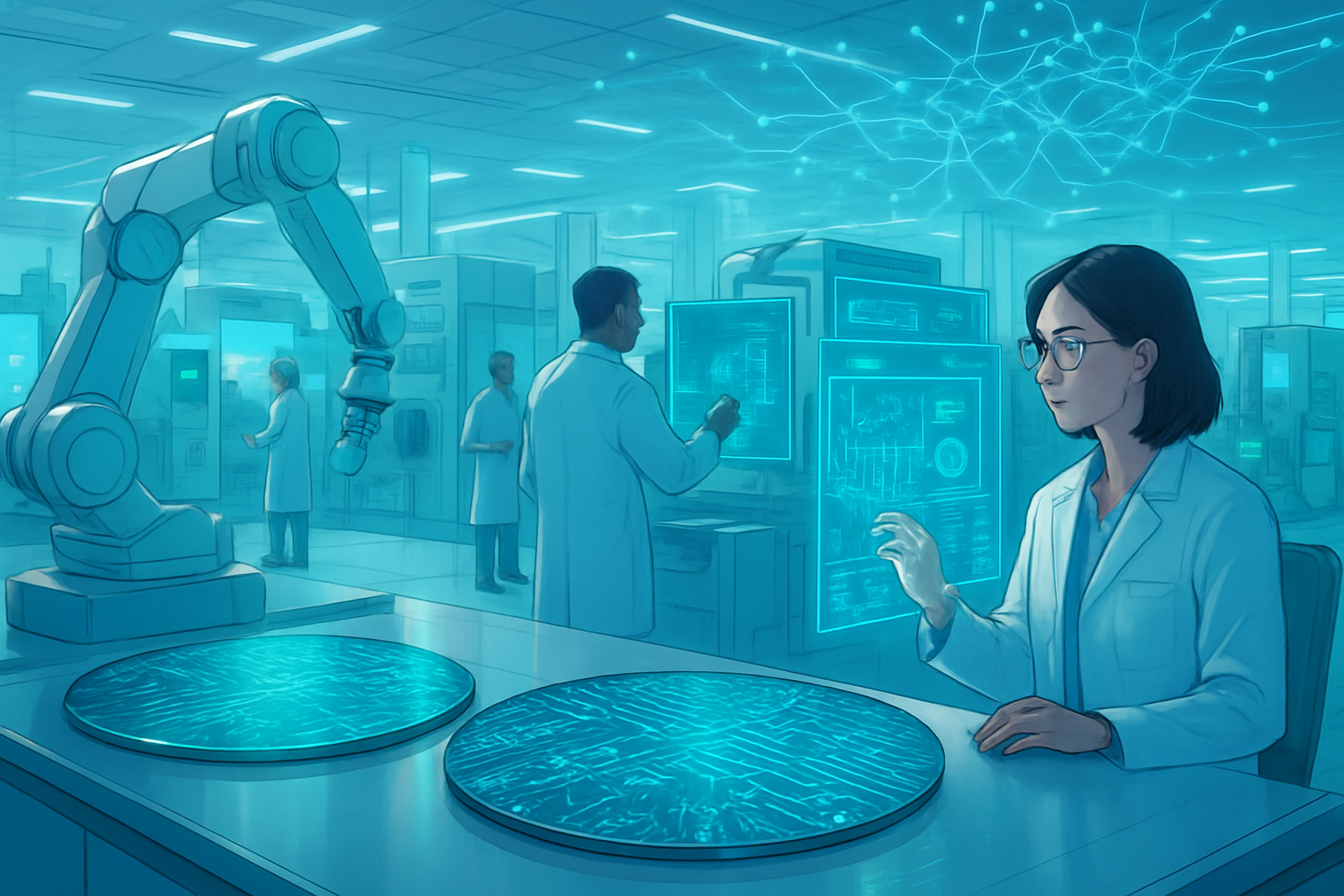
  • Malaysia’s Tech Frontier: How TVET is Forging a Skilled Workforce for the Semiconductor and AI Revolution

    Malaysia’s Tech Frontier: How TVET is Forging a Skilled Workforce for the Semiconductor and AI Revolution

    Malaysia is strategically leveraging Technical and Vocational Education and Training (TVET) to cultivate a robust and skilled workforce, essential for driving its high-growth semiconductor and Artificial Intelligence (AI) industries. These concerted efforts are immediately significant, aiming to cement Malaysia's position as a regional technology hub and ensure sustainable economic competitiveness in the era of Industry 4.0 and beyond. By prioritizing hands-on training and competency-based learning, TVET programs are indispensable for bridging talent gaps and equipping the workforce with practical, industry-relevant skills and knowledge, directly enhancing employability and contributing significantly to the nation's economic development.

    The nation's focused investment in TVET for these critical sectors is a strategic move to meet surging global demand for advanced chips, fueled by generative AI, the Internet of Things (IoT), and electric vehicles (EVs). This initiative positions Malaysia to expand its role beyond traditional assembly and testing into higher value-chain activities like design, research, and engineering services, fostering a virtuous cycle where AI drives new applications for semiconductors, and semiconductor advancements enable more sophisticated AI solutions.

    Cultivating a Future-Ready Workforce: Malaysia's Strategic TVET Blueprint

    Malaysia's commitment to developing a highly skilled workforce for its high-growth semiconductor and AI industries is underpinned by a comprehensive and multi-faceted TVET blueprint. This strategy is explicitly outlined in key national frameworks such as the National Semiconductor Strategy (NSS), the National TVET Policy 2030, and the New Industrial Master Plan 2030 (NIMP 2030), all of which aim to foster high-value industries through a robust talent pipeline. Unlike traditional academic pathways, TVET programs are meticulously designed to provide practical, industry-specific skills, ensuring graduates are immediately employable and capable of contributing to cutting-edge technological advancements.

    The government's dedication is further evidenced by significant budgetary allocations. Budget 2026 prioritizes the cultivation of highly skilled talent in AI and upstream semiconductor industries, building on the RM6.8 billion allocated for TVET development programs in Budget 2024, with an additional RM200 million recently approved. The 2025 national budget dedicates MYR1 billion towards talent development, specifically supporting universities and high-value projects in IC design services and advanced material development. These funds facilitate the establishment and enhancement of specialized programs and academies tailored to the needs of the semiconductor and AI sectors.

    Key initiatives include the Semiconductor Technology Academy-Department of Manpower (STAc-JTM), launched to produce highly skilled human capital for the high-tech industry, and the TVET Place & Train UTeM@KPT programme, which strategically aligns educational outcomes with industry demands, particularly in semiconductor manufacturing. The Malaysia Automotive Robotics and Internet of Things Institute (MARii) is establishing dedicated digital hubs to develop expertise in data analytics, robotics, and AI. Furthermore, the Engineering Talent for Semiconductor Industry programme provides structured internships and targeted training. These programs emphasize hands-on learning, simulations, and real-world projects, differing significantly from theoretical academic models by focusing on immediate application and problem-solving within an industrial context.

    Crucially, there is a strong emphasis on robust partnerships between educational institutions and industries to ensure skill development is relevant and timely. Multinational corporations like Micron Malaysia (NASDAQ: MU) are actively investing in workforce development through curriculum partnerships, national certification schemes, and internal AI upskilling programs. They also engage in R&D collaborations with local universities and support initiatives like Chip Camp Malaysia. Similarly, AMD (NASDAQ: AMD) has inaugurated a state-of-the-art R&D center in Penang, focusing on AI PC, server data center, and data center GPU development, collaborating with local firms, academia, and government to upskill the workforce. Penang's proactive STEM talent blueprint and efforts to strengthen capabilities in Automatic Testing Equipment (ATE) further underscore regional commitment, complemented by initiatives like Collaborative Research in Engineering, Science, and Technology (CREST) which fosters strong collaboration between academic institutions, government agencies, and private companies.

    Corporate Beneficiaries and Competitive Implications

    Malaysia's aggressive push in TVET for semiconductor and AI skills presents a significant boon for both established tech giants and emerging startups looking to expand or establish operations in Southeast Asia. Companies like Infineon Technologies (ETR: IFX), Nvidia (NASDAQ: NVDA), Google (NASDAQ: GOOGL), Micron Technology (NASDAQ: MU), and AMD (NASDAQ: AMD) stand to benefit immensely from a readily available pool of highly skilled local talent. These global players are increasingly investing in Malaysia, drawn by its established semiconductor ecosystem and the promise of a future-ready workforce capable of handling advanced manufacturing, IC design, and AI development. For instance, Micron Malaysia's and AMD's investments in local workforce development and R&D centers directly leverage and contribute to this growing talent pool.

    The competitive implications for major AI labs and tech companies are substantial. A robust TVET pipeline reduces reliance on expatriate talent, lowers operational costs, and fosters a more stable and localized workforce. This can give Malaysia a strategic advantage in attracting foreign direct investment (FDI) over other regional competitors. For companies like Nvidia, which are at the forefront of AI hardware and software, having access to engineers and technicians skilled in advanced packaging, testing, and AI system integration in Malaysia can accelerate their product development cycles and enhance their supply chain resilience. The ability to quickly scale up operations with skilled local talent is a critical factor in the fast-paced AI and semiconductor industries.

    This development has the potential to disrupt existing products and services by enabling higher-value activities within Malaysia. As the TVET system churns out talent capable of IC design and advanced engineering, Malaysia can move beyond its traditional role in back-end assembly and testing. This shift could lead to more localized innovation, potentially fostering new startups and services that leverage Malaysia's growing expertise in areas like generative AI and specialized chip design. For tech giants, it means the potential for deeper integration of their R&D and manufacturing processes within Malaysia, creating more sophisticated regional hubs. Market positioning is enhanced for companies that strategically partner with Malaysian TVET institutions, gaining early access to graduates and influencing curriculum development to meet their specific technological needs.

    Broader Significance and Global Trends

    Malaysia's strategic investment in TVET for the semiconductor and AI sectors is not an isolated initiative but fits squarely into broader global trends emphasizing talent development for advanced manufacturing and digital economies. As nations worldwide grapple with the demands of Industry 4.0 and the accelerating pace of technological change, the ability to cultivate and retain a skilled workforce has become a critical determinant of national competitiveness. Malaysia's efforts mirror similar initiatives in countries like Germany, Singapore, and South Korea, which have long recognized the value of vocational training in supporting their high-tech industries. The nation's ambition to become a regional hub for deep-technology development and a generative AI hub by 2030 underscores its commitment to remaining relevant in the global technology landscape.

    The impacts of these initiatives are far-reaching. Economically, a skilled workforce attracts further foreign investment, stimulates local innovation, and enables Malaysia to climb the value chain from manufacturing to design and R&D, thereby securing higher economic returns and long-term resilience. Socially, it provides high-quality employment opportunities for Malaysian citizens, reduces youth unemployment, and helps destigmatize TVET as an equally viable and valuable career pathway compared to traditional academic routes. By training 60,000 highly skilled engineers for the semiconductor industry by 2030 and doubling STEM enrollment, Malaysia aims to reduce reliance on foreign talent and create a sustainable, homegrown talent ecosystem.

    Potential concerns, however, include the challenge of keeping TVET curricula updated with the incredibly rapid advancements in AI and semiconductor technologies. The pace of change necessitates constant re-evaluation and adaptation of training programs to prevent skills obsolescence. Furthermore, ensuring equitable access to quality TVET programs across all regions and demographics within Malaysia remains crucial. Comparisons to previous AI milestones highlight that the availability of skilled human capital is as critical as computational power or data in driving innovation. Just as the development of software engineers fueled the internet boom, a new generation of TVET-trained technicians and engineers will be essential for the widespread adoption and advancement of AI and next-generation semiconductors. Malaysia's proactive stance positions it to be a significant player in this evolving global narrative.

    Anticipating Future Developments and Challenges

    Looking ahead, Malaysia's TVET landscape for the semiconductor and AI industries is poised for significant near-term and long-term developments. In the near term, we can expect to see an accelerated rollout of specialized training modules, potentially leveraging virtual reality (VR) and augmented reality (AR) for more immersive and practical learning experiences. The focus will likely intensify on niche areas such as advanced packaging, chiplet technology, quantum computing hardware, and explainable AI (XAI) within the curriculum. There will also be an increased emphasis on micro-credentials and continuous upskilling programs to ensure the existing workforce remains competitive and adaptable to new technologies. The government's continued substantial budgetary allocations, such as the MYR1 billion in the 2025 national budget for talent development, will fuel these expansions.

    Potential applications and use cases on the horizon include the development of localized AI solutions tailored for Malaysian industries, from smart manufacturing in semiconductor fabs to AI-powered diagnostics in healthcare. We could also see Malaysia becoming a testbed for new semiconductor architectures designed for AI, driven by its skilled workforce and established infrastructure. Experts predict a further deepening of industry-academia collaboration, with more companies establishing dedicated training centers or co-developing programs with TVET institutions. The Prime Minister's call for streamlined and faster approval processes for new academic programs suggests a future where educational offerings can respond with unprecedented agility to industry demands.

    However, several challenges need to be addressed. The primary challenge remains the rapid evolution of technology; keeping TVET curricula and instructor expertise current with the bleeding edge of AI and semiconductor innovation will require continuous investment and proactive engagement with industry leaders. Attracting sufficient numbers of students into STEM and TVET fields, especially women, to meet the ambitious targets (e.g., 60,000 highly skilled engineers by 2030) will also be critical. Additionally, ensuring that TVET graduates possess not only technical skills but also critical thinking, problem-solving, and adaptability will be essential for long-term career success. Experts predict that the success of Malaysia's strategy will hinge on its ability to foster a culture of lifelong learning and innovation within its TVET ecosystem, ensuring that its workforce is not just skilled for today but ready for the technologies of tomorrow.

    A Blueprint for Global Tech Competitiveness

    Malaysia's comprehensive and proactive approach to Technical and Vocational Education and Training (TVET) stands as a pivotal blueprint for national competitiveness in the global technology arena. The concerted efforts to cultivate a highly skilled workforce for the high-growth semiconductor and AI industries represent a strategic investment in the nation's economic future. By focusing on practical, industry-relevant training, Malaysia is effectively bridging the talent gap, attracting significant foreign direct investment from global players like Micron (NASDAQ: MU) and AMD (NASDAQ: AMD), and positioning itself to move up the value chain from manufacturing to advanced design and R&D.

    This development is significant in AI history as it underscores the critical role of human capital development in realizing the full potential of artificial intelligence and advanced technologies. While breakthroughs in algorithms and hardware often grab headlines, the ability of a nation to train and deploy a skilled workforce capable of implementing, maintaining, and innovating with these technologies is equally, if not more, crucial for sustained growth and impact. Malaysia's strategy highlights that the "AI race" is not just about invention, but also about the effective cultivation of talent. The destigmatization of TVET and its elevation as an equally important pathway to high-tech careers is a crucial social and economic shift that other developing nations can emulate.

    In the coming weeks and months, observers should watch for further announcements regarding new industry partnerships, the launch of advanced TVET programs, and updates on the progress towards Malaysia's ambitious talent development targets. The success of these initiatives will not only determine Malaysia's standing as a regional tech hub but also offer valuable lessons for other countries striving to build a future-ready workforce in an increasingly technology-driven world. Malaysia's journey serves as a compelling case study on how strategic investment in vocational education can unlock national potential and drive significant advancements in critical high-growth industries.

    This content is intended for informational purposes only and represents analysis of current AI developments.

    TokenRing AI delivers enterprise-grade solutions for multi-agent AI workflow orchestration, AI-powered development tools, and seamless remote collaboration platforms.
    For more information, visit https://www.tokenring.ai/.