Tag: YouTube

  • YouTube Ignites India’s Creative and Educational Future with Groundbreaking AI Initiatives

    YouTube Ignites India’s Creative and Educational Future with Groundbreaking AI Initiatives

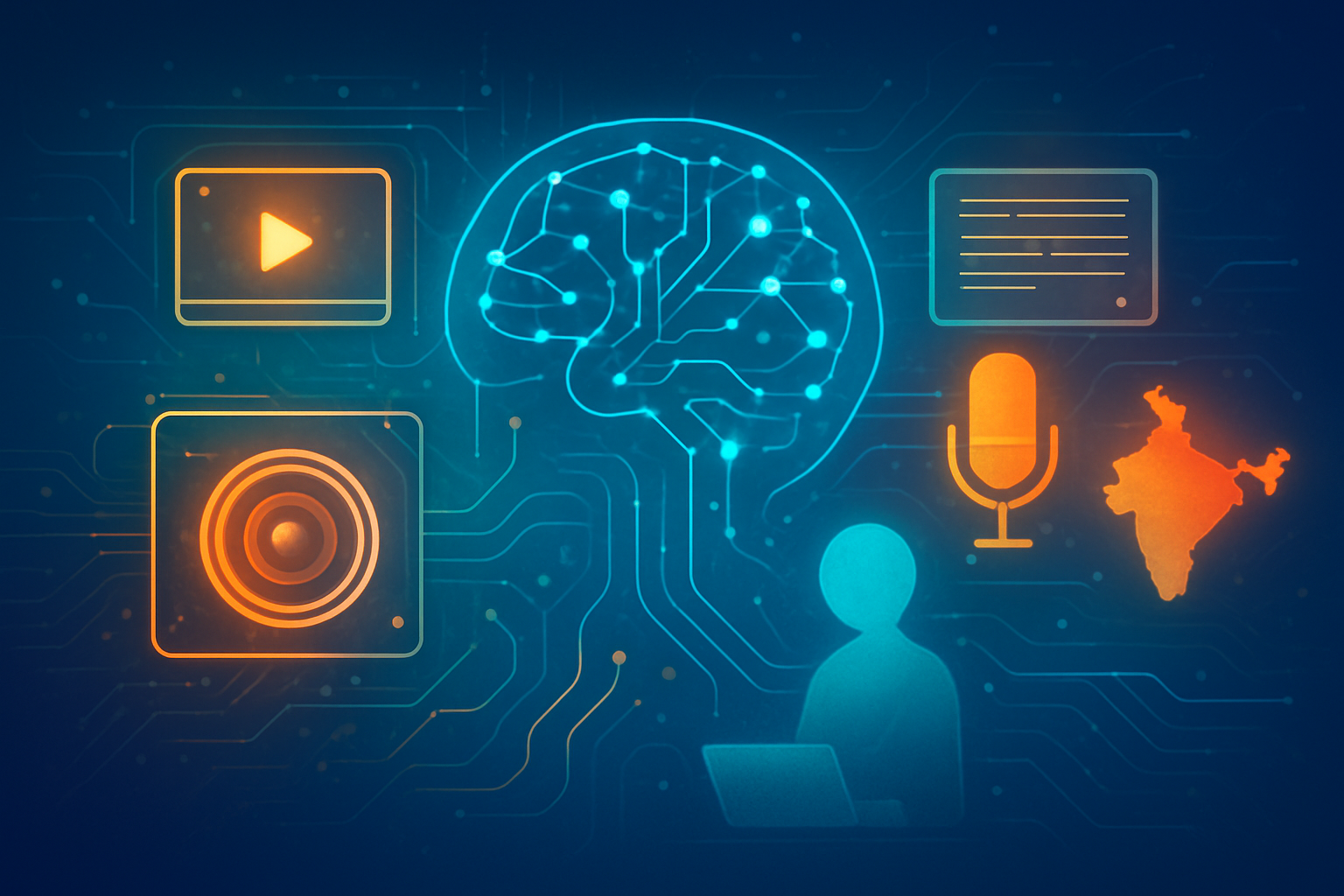
    New Delhi, India – November 17, 2025 – YouTube, a subsidiary of Alphabet (NASDAQ: GOOGL), today unveiled a sweeping array of AI-powered tools and strategic partnerships in India, signaling a transformative era for content creation and education within the nation. Announced at the annual YouTube Impact Summit, these initiatives are poised to democratize access to advanced creative technologies, enhance learning experiences, and significantly bolster India's burgeoning digital economy. The move underscores YouTube's deep commitment to nurturing local talent and leveraging artificial intelligence to connect a vast and diverse audience with credible information and innovative storytelling.

    The comprehensive rollout of these AI-driven features and collaborations represents a pivotal moment, aiming to empower millions of Indian creators and learners. From sophisticated video editing automation to advanced educational programs and real-time conversational AI, YouTube is embedding artificial intelligence at the core of its platform to foster digital well-being, protect intellectual property, and cultivate a vibrant ecosystem where creativity and knowledge can flourish on an unprecedented scale.

    Technical Leaps: AI's New Frontier in Content and Learning

    YouTube's latest advancements showcase a significant leap in applying generative AI to practical content creation and educational delivery. At the forefront of these innovations is the "Edit with AI" feature, now universally available to creators in India through the YouTube Create app. This tool intelligently processes raw footage, generating a compelling first draft, complete with music, transitions, and even AI-generated voice-overs in English and Hindi, offering culturally resonant styles like cricket commentary or shayari. This dramatically reduces editing time, making sophisticated production accessible to creators of all skill levels.

    Further enhancing creative capabilities, YouTube has integrated a custom version of Google DeepMind's Veo 3 video generation model, dubbed Veo 3 Fast, specifically for YouTube Shorts. This powerful AI allows creators to generate video backgrounds, add sounds, and create short clips directly within the app with remarkable speed and 480p resolution. While initially rolled out in select Western markets in September 2025, its expansion plans include India, promising future capabilities such as transforming still photos into dynamic videos and inserting objects or characters via text prompts. Additionally, the Veo 3 model will empower podcasters to automatically generate engaging Shorts or video clips from their full-length audio episodes, even without original video recordings. To safeguard creators, a new Likeness Detection Technology, in open beta for YouTube Partner Program members, helps monitor and request the removal of unauthorized AI-altered videos using their facial likeness. On the commerce front, as of October 10, 2025, YouTube has expanded its AI-powered shopping tools for Indian creators, introducing an automated system that tags products in videos precisely when they are mentioned, optimizing viewer engagement and monetization opportunities. These tools collectively represent a departure from previous manual or less sophisticated AI-assisted processes, offering a more intuitive, powerful, and protective environment for creators.

    Reshaping the Competitive Landscape: Who Benefits and How

    These bold AI initiatives by YouTube (NASDAQ: GOOGL) are set to significantly reshape the competitive dynamics within the tech and media industries, particularly in India. The primary beneficiaries include YouTube itself, which solidifies its market leadership by offering cutting-edge tools that attract and retain creators. Google DeepMind, as the developer of the underlying Veo 3 technology, further validates its expertise in generative AI, potentially opening new avenues for licensing and integration across other Google products. Critically, millions of Indian content creators—from burgeoning artists to established educators—stand to gain immensely from the reduced barriers to entry, streamlined production workflows, and enhanced monetization options.

    The competitive implications for major AI labs and tech companies are substantial. By integrating advanced generative AI directly into its creator ecosystem, YouTube sets a new benchmark that rivals like TikTok, Instagram Reels (Meta Platforms, Inc., NASDAQ: META), and other short-form video platforms will be compelled to match. This move could potentially disrupt third-party video editing software providers and content creation agencies, as many functions become automated and accessible directly within the YouTube platform. For startups focusing on AI tools for content creation, this presents both a challenge and an opportunity: while direct competition from YouTube is fierce, there's also potential for collaboration or for developing niche tools that complement YouTube's offerings. Strategically, YouTube is leveraging AI to deepen its moat, enhance user engagement, and expand its footprint in the creator economy, especially in high-growth markets like India, by providing an end-to-end solution for creation, distribution, and monetization.

    Broader Implications: AI's Role in India's Knowledge Economy

    YouTube's AI initiatives in India fit squarely within the broader global trend of generative AI's integration into everyday applications, while simultaneously highlighting the unique importance of localized technological solutions. These developments underscore AI's increasing role in democratizing access to complex creative and educational tools, moving beyond mere content recommendation to active content generation and personalized learning. The focus on Hindi language support and culturally specific voice-over options like shayari and cricket commentary demonstrates a sophisticated understanding of the Indian market, setting a precedent for how AI can be tailored to diverse linguistic and cultural contexts.

    The impacts are far-reaching. In content creation, AI promises to unleash a new wave of creativity, enabling more individuals to become creators by lowering technical hurdles and reducing production costs. For education, the partnerships with the Indian Institute of Creative Technologies (IICT) and the All India Institute of Medical Sciences (AIIMS) represent a significant step towards enhancing India's "knowledge economy." By making professional nursing courses available online and training students for the AVGC-XR industries using AI, YouTube is directly contributing to skill development and preparing the workforce for future AI-driven careers. Potential concerns, however, include the ethical deployment of AI-generated content, the prevention of deepfakes (though addressed by likeness detection), and the potential for job displacement in traditional creative roles. Compared to previous AI milestones, which often focused on automation or analytics, these initiatives mark a shift towards AI as a collaborative partner in the creative and learning processes, emphasizing augmentation over mere automation.

    The Road Ahead: Future Developments and Expert Predictions

    Looking ahead, the integration of AI into content creation and education on platforms like YouTube is poised for rapid evolution. In the near term, we can expect further refinements and expansions of the Veo 3 Fast model, potentially offering higher resolutions, more intricate generative capabilities, and broader stylistic options for video creation. The conversational AI tool, currently in English, is slated for Hindi support soon, and its capabilities are likely to expand to offer more interactive and context-aware assistance, possibly even guiding users through complex tutorials or creative challenges. The Indian government's plan to integrate AI into its national curriculum from Class 3 by 2026-27 will create a fertile ground for AI literacy, making platforms like YouTube even more critical for delivering AI-powered educational content.

    Longer-term developments could see hyper-personalized learning pathways, where AI tutors adapt content and teaching styles in real-time to individual student needs, potentially revolutionizing online education. For creators, AI might enable more sophisticated interactive content, where viewers can influence storylines or character development in real-time. Challenges that need to be addressed include ensuring the ethical use of AI, preventing the spread of misinformation through AI-generated content, bridging the digital divide to ensure equitable access to these powerful tools, and continuously innovating to stay ahead of misuse and technological stagnation. Experts predict a future where AI becomes an indispensable co-creator and co-educator, with platforms like YouTube leading the charge in making these advanced capabilities accessible to the masses, fundamentally altering how we learn, create, and interact with digital media.

    A New Chapter for AI, Creativity, and Learning in India

    YouTube's comprehensive suite of AI initiatives in India marks a profound moment in the intersection of artificial intelligence, content creation, and education. By rolling out advanced generative AI tools for creators and forging strategic partnerships with leading Indian institutions, YouTube is not merely enhancing its platform; it is actively shaping the future of digital literacy and economic opportunity in one of the world's most dynamic markets. The immediate availability of features like "Edit with AI" and the expansion of AI-powered shopping tools demonstrate a commitment to empowering creators, while collaborations with IICT and AIIMS underscore a dedication to fostering a robust knowledge economy.

    This development is significant in AI history as it showcases a successful, large-scale deployment of sophisticated AI directly into the hands of millions of users in a culturally diverse and linguistically rich environment. It highlights the potential for AI to democratize creativity, make quality education more accessible, and drive economic growth. The long-term impact will likely see a more vibrant and diverse content landscape, a more skilled workforce, and a new paradigm for online learning. In the coming weeks and months, it will be crucial to watch the adoption rates of these new tools by creators, the measurable impact of the educational partnerships on student outcomes, and how YouTube continues to refine its AI offerings to address both creative potential and ethical considerations. This is more than just a technological upgrade; it's a foundational shift in how India, and by extension, the world, will engage with digital content and education.


    This content is intended for informational purposes only and represents analysis of current AI developments.

    TokenRing AI delivers enterprise-grade solutions for multi-agent AI workflow orchestration, AI-powered development tools, and seamless remote collaboration platforms.
    For more information, visit https://www.tokenring.ai/.

  • AI Reshapes YouTube: A New Era of Creation and Content Policing Dawns

    November 7, 2025 – The world of online content creation is undergoing a seismic shift, with Artificial Intelligence emerging as both a powerful enabler and a complex challenge. A recent report from Entrepreneur on November 7, 2025, vividly illustrates this transformation on platforms like YouTube (Alphabet Inc. (NASDAQ: GOOGL)), highlighting the rise of sophisticated AI-powered tools such as "Ask Studio" and the concurrent battle against "AI content farms." This dual impact signifies a pivotal moment, as AI fundamentally redefines how content is conceived, produced, and consumed, forcing platforms to adapt their policies to maintain authenticity and quality in an increasingly synthetic digital landscape.

    The immediate significance of AI's pervasive integration is profound. On one side, creators are being empowered with unprecedented efficiency and innovative capabilities, from automated script generation to advanced video editing. On the other, the proliferation of low-quality, mass-produced AI content, often termed "AI slop," poses a threat to viewer trust and platform integrity. YouTube's proactive response, including stricter monetization policies and disclosure requirements for AI-generated content, underscores the urgency with which tech giants are addressing the ethical and practical implications of this technological revolution.

    The Technical Tapestry: Unpacking AI Tools and Content Farms

    The technical advancements driving this transformation are multifaceted, pushing the boundaries of generative AI. YouTube is actively integrating AI into its creator ecosystem, with features designed to streamline workflows and enhance content quality. While "Ask Studio" appears to be a broader initiative rather than a single product, YouTube Studio is deploying various AI-powered features. For instance, AI-driven comment summarization helps creators quickly grasp audience sentiment, utilizing advanced Natural Language Processing (NLP) models to analyze and condense vast amounts of text—a significant leap from manual review. Similarly, AI-powered analytics interpretation, often embedded within "Ask Studio" functionalities, provides creators with data-driven insights into channel performance, suggesting optimal titles, descriptions, and tags. This contrasts sharply with previous manual data analysis, offering personalized strategies based on complex machine learning algorithms. Idea generation tools leverage AI to analyze trends and audience behavior, offering tailored content suggestions, outlines, and even full scripts, moving beyond simple keyword research to contextually relevant creative prompts.

    In stark contrast to these creator-empowering tools are "AI content farms." These operations leverage AI to rapidly generate large volumes of content, primarily for ad revenue or algorithmic manipulation. Their technical arsenal typically includes Large Language Models (LLMs) for script generation, text-to-speech technologies for voiceovers, and text-to-video/image generation tools (like InVideo AI or PixVerse) to create visual content, often with minimal human oversight. These farms frequently employ automated editing and assembly lines to combine these elements into numerous videos quickly. A common tactic involves scraping existing popular content, using AI to reword or summarize it, and then repackaging it with AI-generated visuals and voiceovers. This strategy aims to exploit search engine optimization (SEO) and recommendation algorithms by saturating niches with quantity over quality.

    Initial reactions from the AI research community and industry experts are mixed but carry a strong undercurrent of caution. While acknowledging the efficiency and creative potential of AI tools, there's significant concern regarding misinformation, bias, and the potential for "digital pollution" from low-quality AI content. Experts advocate for urgent ethical guidelines, regulatory measures, and a "human-in-the-loop" approach to ensure factual accuracy and prevent the erosion of trust. The "Keep It Real" campaign, supported by many YouTubers, emphasizes the value of human-made content and pushes back against the content theft often associated with AI farms.

    Corporate Chess: AI's Impact on Tech Giants and Startups

    The AI-driven transformation of content creation is reshaping the competitive landscape for tech giants, AI companies, and startups alike. YouTube (Alphabet Inc. (NASDAQ: GOOGL)) stands as a primary beneficiary and driver of this shift, deeply embedding AI into its platform. As of November 7, 2025, YouTube has unveiled advanced AI-driven features like Google DeepMind's Veo 3 Fast technology for high-quality video generation in YouTube Shorts, "Edit with AI" for automated video drafting, and "Speech to Song" for novel audio creation. Alphabet's "AI-first strategy" is evident across its segments, with AI enhancing search, recommendations, and precise ad targeting, reinforcing its position as a digital content powerhouse. The company's heavy investment in proprietary AI infrastructure, such as Tensor Processing Units (TPUs), also gives it a significant competitive advantage.

    The market for AI-powered content creation tools is experiencing exponential growth, projected to reach billions in the coming years. Major AI labs like OpenAI, Google DeepMind, and Meta AI are at the forefront, continually advancing generative AI models that produce text, images, and video. These developers benefit from the surging demand for personalized content, the need for cost and time savings, and the ability to scale content production across various platforms. Many license their models or offer APIs, fostering a broad ecosystem of beneficiaries.

    For startups, AI content creation presents a dual challenge. Those developing innovative, niche AI tools can find significant opportunities, addressing specific pain points in the content creation workflow. However, competing with the immense capital, R&D capabilities, and integrated ecosystems of tech giants and major AI labs is a formidable task. The substantial capital requirements for training complex AI models and reliance on expensive, high-powered GPUs (from companies like Nvidia (NASDAQ: NVDA) and AMD (NASDAQ: AMD)) pose considerable barriers to entry. Competitive implications are further heightened by the "AI arms race," with major players investing heavily in R&D and talent. Companies are adopting strategies like deep AI integration, empowering creators with sophisticated tools, focusing on niche functionalities, and emphasizing human-AI collaboration to maintain their market positioning.

    The Broader Canvas: AI's Wider Significance

    The pervasive integration of AI into content creation on platforms like YouTube signifies a major paradigm shift, resonating across the broader AI landscape and society. This trend is characterized by the rise of multimodal AI tools that seamlessly combine text, image, and video generation, alongside a push for hyper-personalized content tailored to individual viewer preferences. AI is increasingly viewed as an augmentative force, handling routine production tasks and providing data-driven insights, thereby allowing human creators to focus on strategic direction, emotional nuance, and unique storytelling. YouTube's aggressive AI integration, from video generation to quality enhancements and dubbing, exemplifies this shift, solidifying AI's role as an indispensable co-pilot.

    The societal and economic impacts are profound. Concerns about job displacement in creative industries are widespread, with reports suggesting generative AI could automate a significant percentage of tasks in sectors like arts, design, and media. Freelancers, in particular, report reduced job security and earnings. However, AI also promises increased efficiency, democratizing high-quality content production and opening new avenues for monetization. It necessitates a new skill set for creators, who must adapt to effectively leverage AI tools, becoming architects and beneficiaries of AI-driven processes.

    Potential concerns are equally significant. The blurring lines between real and synthetic media raise serious questions about authenticity and misinformation, with AI models capable of generating factually inaccurate "hallucinations" or realistic "deepfakes." Copyright infringement is another major legal and ethical battleground; on November 7, 2025, Entrepreneur Media filed a lawsuit against Meta Platforms (NASDAQ: META), alleging unlawful use of copyrighted content to train its Llama large language models. This highlights the urgent need for evolving copyright laws and compensation frameworks. Furthermore, AI models can perpetuate biases present in their training data, leading to discriminatory content, underscoring the demand for transparency and ethical AI development.

    This current wave of AI in content creation represents a significant leap from previous AI milestones. From early rule-based computer art and chatbots of the 1970s to the rise of neural networks and the formalization of Generative Adversarial Networks (GANs) in the 2010s, AI has steadily progressed. However, the advent of Large Language Models (LLMs) and advanced video generation models like OpenAI's Sora and Google DeepMind's Veo 3 marks a new era. These models' ability to generate human-like text, realistic images, and sophisticated video content, understanding context and even emotional nuance, fundamentally redefines what machines can "create," pushing AI from mere automation to genuine creative augmentation.

    The Horizon Ahead: Future Developments in AI Content

    Looking to the future, AI's trajectory in content creation promises even more transformative developments, reshaping the digital landscape on platforms like YouTube. In the near term (2025-2027), we can expect a deeper integration of AI across all pre-production, production, and post-production phases. AI tools will become more adept at script generation, capturing unique creator voices, and providing nuanced pre-production planning based on highly sophisticated trend analysis. YouTube's ongoing updates include an AI video editing suite automating complex tasks like dynamic camera angles and effects, alongside enhanced AI for creating hyper-clickable thumbnails and seamless voice cloning. Multimodal and "self-guided AI" will emerge, acting as active collaborators that manage multi-step processes from research and writing to optimization, all under human oversight.

    Longer term (beyond 2028-2030), experts predict that AI could generate as much as 90% of all online content, driven by exponential increases in AI performance. This will democratize high-quality filmmaking, enabling individual creators to wield the power of an entire studio. An "AI flywheel effect" will emerge, where analytical AI constantly refines generative AI, leading to an accelerating cycle of content improvement and personalization. The role of the human creator will evolve from hands-on execution to strategic orchestration, focusing on unique voice and authenticity in a sea of synthetic media. Some even speculate about a technological singularity by 2045, where Artificial General Intelligence (AGI) could lead to uncontrollable technological growth across all aspects of life.

    Potential applications on the horizon are vast and exciting. Hyper-personalized content will move beyond simple recommendations to dynamically adapting entire content experiences to individual viewer tastes, even generating thousands of unique trailers for a single film. Immersive experiences in VR and AR will become more prevalent, with AI generating realistic, interactive environments. Dynamic storytelling could allow narratives to adapt in real-time based on viewer choices, offering truly interactive storylines. Advanced auto-dubbing and cultural nuance analysis will make content instantly accessible and relevant across global audiences.

    However, significant challenges must be addressed. Robust regulatory frameworks are urgently needed to tackle algorithm bias, data privacy, and accountability for AI-generated content. Ethical AI remains paramount, especially concerning intellectual property, authenticity, and the potential for harmful deepfakes. Maintaining content quality and authenticity will be a continuous battle against the risk of low-quality, generic AI content. Economically, job displacement remains a concern, necessitating a focus on new roles that involve directing and collaborating with AI. Experts predict that while the next few years will bring "magical" new capabilities, the full societal integration and scaling of AI will take decades, creating a critical window for "first movers" to position themselves advantageously.

    A New Chapter for Digital Creation: Wrap-Up

    The year 2025 marks a definitive turning point in the relationship between AI and content creation on platforms like YouTube. The immediate significance lies in a dual dynamic: the empowerment of human creators through sophisticated AI tools and the platform's firm stance against the proliferation of low-quality, inauthentic AI content farms. YouTube's updated Partner Program policies, emphasizing originality and meaningful human input, signal a clear direction: AI is to be an assistant, not a replacement for genuine creativity.

    This development is a historical milestone for AI, moving beyond mere automation to deep creative augmentation. It underscores AI's growing capacity to understand and generate complex human-like content across various modalities. The long-term impact will see authenticity emerge as the new currency in digital content. While AI offers unprecedented efficiency and scale, content that resonates with genuine human emotion, unique perspective, and compelling storytelling will command premium value. Ethical considerations, including copyright and the fight against misinformation, will remain central, necessitating continuous policy refinement and technological advancements in AI detection and management.

    In the coming weeks and months, several key developments will be crucial to watch. The effectiveness of YouTube's stricter monetization policies for AI-generated content, particularly after the July 15, 2025, deadline, will shape creator strategies. The continuous rollout and enhancement of new AI tools from YouTube and third-party developers, such as Google DeepMind's Veo 3 Fast and AI Music Generators, will open new creative avenues. Furthermore, the outcomes of ongoing legal battles over copyright, like the Entrepreneur Media lawsuit against Meta Platforms on November 7, 2025, will profoundly influence how AI models are trained and how intellectual property is protected. Finally, the evolution of "authenticity-first" AI, where tools are used to deepen audience understanding and personalize content while maintaining a human touch, will be a defining trend. The future of content creation on YouTube will be a dynamic interplay of innovation, adaptation, and critical policy evolution, all centered on harnessing AI's power while safeguarding the essence of human creativity and trust.


    This content is intended for informational purposes only and represents analysis of current AI developments.

    TokenRing AI delivers enterprise-grade solutions for multi-agent AI workflow orchestration, AI-powered development tools, and seamless remote collaboration platforms.
    For more information, visit https://www.tokenring.ai/.

  • YouTube Unleashes AI ‘Super Resolution’ to Sharpen Videos on Your TV

    YouTube Unleashes AI ‘Super Resolution’ to Sharpen Videos on Your TV

    YouTube is set to transform the living room viewing experience with the introduction of its new AI-powered "Super Resolution" feature, designed to automatically sharpen and enhance lower-resolution videos on smart TVs. Announced in late October 2025, this significant update leverages artificial intelligence to upscale videos originally uploaded below 1080p to a crisp high-definition quality, with plans to extend support to 4K resolutions in the near future. The immediate significance of "Super Resolution" is profound: it addresses the long-standing challenge of legacy content appearing pixelated or blurry on modern, large-screen televisions, aiming to modernize the visual fidelity of YouTube's vast library and elevate the platform's competitive edge against high-definition streaming services. While automatic, both creators and viewers will retain control, with clear options to opt out of these AI enhancements, ensuring the preservation of original content intent. This initiative is part of YouTube's broader strategy to enhance the TV viewing experience, alongside other features like QR code shopping integration and a redesigned user interface, underscoring its commitment to becoming a premier destination for immersive home entertainment.

    Technical Deep Dive: How YouTube's AI Super Resolution Works

    YouTube's "Super Resolution" technology employs "traditional machine learning" algorithms, rather than generative AI, to perform its video enhancements. This distinction was highlighted by YouTube's head of editorial, Rene Ritchie, in response to earlier creator concerns regarding undisclosed AI modifications. The system is designed to unblur, denoise, and improve the overall clarity of videos during processing.

    While specific neural network architectures for the 2025 rollout haven't been fully disclosed, video super-resolution commonly utilizes deep learning models such as Convolutional Neural Networks (CNNs) and Recurrent Neural Networks (RNNs). Earlier research from YouTube in 2017, for instance, showcased a "Detail-revealing Deep Video Super-resolution" framework that integrated a sub-pixel motion compensation (SPMC) layer within a CNN. This allowed for better handling of inter-frame motion and the fusion of multiple frames to reveal intricate details, demonstrating YouTube's long-standing engagement with such technologies. Current implementations likely build upon these principles with more sophisticated and efficient models, trained on vast datasets of videos at various resolutions and quality levels to learn the complex mapping from low-resolution to high-resolution content.

    The initial phase of YouTube's Super Resolution targets videos uploaded below 1080p, enhancing them to High Definition (HD) resolution. The company has stated its ambition to extend this capability to 4K upscaling in the future. A key aspect of the new feature is transparency and user control. When watching an eligible video, viewers will find AI-enhanced versions clearly labeled as "Super resolution" within the video's quality settings menu, allowing them to distinguish between native and upscaled resolutions. Furthermore, the upscaling process is automatic for viewers, but YouTube ensures that creators retain control. Creators have the option to opt out of these "Super Resolution" enhancements for their entire content library or on a per-video basis. Importantly, all original video files and their native resolutions are preserved on YouTube's servers, meaning the AI-powered upscaled versions do not replace the original content.

    YouTube's Super Resolution differs significantly from traditional video processing methods. Older upscaling techniques, such as bicubic interpolation, merely enlarge pixels, leading to soft or blurry images without adding new detail. These methods struggle to recreate missing information and primarily work by adjusting contrast and sharpness. In contrast, AI-powered super-resolution, like YouTube's, leverages deep learning models to "guess" and intelligently reconstruct missing pixels and details, drawing from patterns learned during training. This allows for the removal of blocky compression artifacts and a substantial improvement in sharpness and clarity that traditional scalers cannot achieve. Compared to other commercial AI video upscalers available around late 2025, such as AIarty Video Enhancer or Topaz Video AI, YouTube's solution operates server-side at a massive scale. These commercial tools often utilize advanced models, including diffusion and GAN hybrids, offering comprehensive features like noise reduction, detail restoration, and sophisticated frame interpolation. NVIDIA's (NASDAQ: NVDA) RTX Video Super Resolution (VSR) also provides AI-powered upscaling for streamed video content in browsers, actively removing artifacts and enhancing sharpness. YouTube's implementation, while using "traditional machine learning" for robustness and widespread deployment, aims to provide a consistent, automatic enhancement across a vast library of diverse content, addressing a core challenge for platforms hosting billions of videos.

    The rollout of YouTube's "Super Resolution" feature comes after a period of significant discussion and some "creator backlash" regarding earlier, less transparent AI enhancements applied to YouTube Shorts. In August 2025, creators reported noticing subtle, unannounced changes to their videos on Shorts, including altered skin texture, warped features, and a distracting smoothing effect, leading some to describe their content as looking "AI-generated." The primary concern from the creator community and experts was the lack of transparency and consent, raising questions about artistic integrity and authenticity when a platform modifies content without explicit permission. YouTube's subsequent clarification that these earlier enhancements used "traditional machine learning" for blur and noise reduction, rather than generative AI, aimed to mitigate fears about content alteration beyond quality improvement. The introduction of the new "Super Resolution" feature, with its clear labeling and opt-out options for creators, appears to directly address these previous transparency and control concerns. While this moves towards greater creator autonomy, the initial reception from the AI research community and industry experts will likely be influenced by the platform's past actions. Researchers are keen to see how YouTube's large-scale, "traditional machine learning" approach performs in the wild against the backdrop of more cutting-edge, often generative, super-resolution models being explored in academic and commercial settings. The feature's practical impact on video quality across YouTube's diverse content library, along with its resource efficiency, will be key metrics for its evaluation within the broader AI and video technology communities.

    Industry Impact: Reshaping the Streaming and AI Landscape

    YouTube's recent introduction of an AI-powered "Super Resolution" feature for its TV applications is poised to significantly reshape the tech industry landscape, particularly impacting AI companies, tech giants, and startups specializing in video enhancement. This feature, designed to automatically upscale low-resolution videos (initially below 1080p to HD, with future plans for 4K), leverages advanced machine learning to sharpen visuals, reduce noise, and enhance clarity, aiming to provide a superior viewing experience for users, especially on larger screens. Creators will have the option to opt out of these enhancements.

    The AI video upscaling software market is already experiencing robust growth, with estimates placing its value between $670 million and $995.79 million in 2025 and projecting a compound annual growth rate (CAGR) of 14.3% to 25% through 2032-2035, driven by increasing demand for high-resolution content and advancements in AI algorithms.

    Google (NASDAQ: GOOGL) / Alphabet (NASDAQ: GOOG): As YouTube's parent company, Google gains a significant strategic advantage by enhancing the visual quality of its immense library, including older, lower-resolution content. This directly improves the user experience, particularly for the growing number of viewers on smart TVs, allowing YouTube to compete more effectively with high-definition streaming services like Netflix (NASDAQ: NFLX) where visual fidelity is paramount. By offering this sophisticated AI capability at scale, Google reinforces its position as a leader in applying AI to real-world content delivery, potentially increasing watch time, viewer engagement, and ad revenue. It democratizes access to high-end video enhancement without requiring creators to invest in expensive software or hardware. Google's vast datasets of videos also provide an unparalleled training ground for its AI models, enabling continuous improvement and a sustained competitive edge. This move highlights Google's internal AI capabilities, demonstrating its commitment to integrating cutting-edge AI research (likely from DeepMind or Google AI) into its core products.

    Major AI Labs and Tech Giants: Companies like NVIDIA (NASDAQ: NVDA), a primary provider of powerful GPUs and specialized AI hardware, stand to benefit from the increased demand for AI video enhancement across the industry. Their DLSS (Deep Learning Super Sampling) technology already employs AI for performance and image quality in gaming, and they offer AI-powered video enhancer tools for creators. YouTube's validation of widespread AI upscaling will likely drive further investment and innovation in AI-optimized hardware and software solutions from NVIDIA. Adobe (NASDAQ: ADBE), with its Creative Cloud suite, has already integrated AI-based video enhancement. While YouTube's feature offers automated server-side enhancement, Adobe will likely focus on providing professional creators with more granular control and advanced customization, pushing them to further innovate their AI tools. Blackmagic Design, a key player in professional video editing with DaVinci Resolve, will also likely continue to develop high-end, professional-grade AI enhancement tools. Other tech giants, such as Microsoft (NASDAQ: MSFT) and Amazon (NASDAQ: AMZN), with competing streaming platforms or cloud-based media services, may face pressure to develop similar AI video enhancement capabilities to match YouTube's improved user experience.

    Startups and Smaller AI Companies: YouTube's free, automatic upscaling could disrupt the market for basic, consumer-grade standalone video upscaling software and services. However, specialized AI video enhancement companies like Topaz Labs (with "Topaz Video AI") are well-positioned to thrive by offering more advanced features, such as upscaling to higher resolutions (e.g., 16K), specialized models for different types of footage, advanced noise reduction, and frame interpolation for professional workflows. They can strategically position themselves as premium solutions for professional content creators, videographers, and businesses that demand ultimate quality, greater control, or specific niche functionalities beyond what a platform like YouTube provides.

    By late 2025, YouTube's AI Super Resolution will likely solidify its market positioning by offering a seamlessly enhanced viewing experience, a crucial factor in retaining and attracting users in the competitive streaming market. This fosters a "quality as a service" model, where creators benefit from automated enhancements without additional effort or cost, making YouTube a more attractive platform for hosting content. The ability to automatically modernize legacy content will be a key strategic advantage, keeping older videos relevant and engaging. Furthermore, the integration of AI upscaling, alongside other features like increased thumbnail file limits and contextual search, positions YouTube to capture more market share in the smart TV sector.

    Wider Significance: AI's Pervasive Role in Digital Media

    In late 2025, YouTube's implementation of an AI "Super Resolution" feature signifies a crucial development within the evolving artificial intelligence landscape, showcasing both the transformative potential and the emerging challenges of AI integration into mainstream platforms. This technology, aimed at automatically enhancing video quality, aligns with broader AI trends, impacts content creation and consumption, and introduces new ethical considerations, drawing parallels with previous AI breakthroughs.

    YouTube's AI Super Resolution is a testament to the increasingly ubiquitous role of artificial intelligence, transitioning from a specialized domain to an integral part of everyday digital infrastructure. In late 2025, AI is seen not merely as a buzzword but as a vital tool enhancing creative workflows across various industries. This feature fits into several key trends, including ubiquitous AI integration, a strong focus on visual quality enhancement (paralleling technologies like Nvidia's DLSS 4), and the growth of AI-generated and AI-assisted content.

    The Super Resolution feature carries significant implications for both viewers and content creators. The primary impact is a noticeable improvement in viewing quality, especially on larger screens, which is expected to boost content discovery and viewer retention. It also democratizes high-quality content, lowering the technical barrier for creators and enabling those with older equipment to present their work with a higher degree of polish. This could potentially liberate creators to focus more on narrative, authenticity, and unique expertise.

    Despite its benefits, YouTube's AI Super Resolution also raises several concerns, particularly in the context of late 2025's ongoing discussions around AI ethics. A major point of contention is the transparency and consent of AI enhancements. Some creators have observed "uncanny" or "oil painting" effects, suggesting AI alterations that deviate from their original artistic intent, potentially eroding viewer trust and creative integrity. A critical ethical debate revolves around the fine line between merely enhancing visual clarity and potentially manipulating content, especially for news or educational videos. As AI video enhancement becomes more sophisticated, distinguishing between genuine and AI-altered content becomes increasingly difficult, raising concerns about misinformation.

    YouTube's Super Resolution stands on the shoulders of several foundational AI breakthroughs, including advancements in Generative Adversarial Networks (GANs), deep learning and neural networks, and the transformer architecture. While Super Resolution is an enhancement rather than full generation, its existence highlights the incredibly rapid progress in AI video capabilities, such as OpenAI's Sora (early 2025), which demonstrates how quickly AI can move from rudimentary video generation to producing highly realistic and complex scenes. In conclusion, YouTube's AI Super Resolution is a significant milestone in late 2025, emblematic of AI's pervasive integration into mainstream digital services and its capacity to elevate user experiences. However, its wider significance also lies in the critical dialogue it sparks regarding transparency, creative control, and the ethical responsibilities of platforms deploying powerful AI technologies.

    Future Developments: The Horizon of AI-Enhanced Video

    YouTube's AI "Super Resolution" feature, designed to enhance video quality, is poised for significant evolution from late 2025 and beyond, bringing a new era of visual fidelity to the platform. These advancements encompass sophisticated technical developments, widespread applications, ongoing challenges, and bold expert predictions.

    In the near term, YouTube has already begun implementing AI upscaling, automatically enhancing videos uploaded in resolutions as low as 240p to 720p HD quality. The company plans to support 4K upscaling "in the near future," significantly improving the viewing experience for a vast library of older and lower-resolution content. These AI-based super-resolution algorithms will continue to refine their ability to upscale lower-resolution streams to higher quality, crucially, without requiring additional bandwidth. Beyond just increasing resolution, future developments will focus on holistic video quality improvements, including advanced denoising, artifact removal, and enhanced frame interpolation. Looking further out, the rapid advancements in AI hardware, with an anticipated "explosion" in late 2025, will fuel even more powerful and real-time AI processing capabilities, enabling more consistent and higher-quality AI video generation.

    The future applications of YouTube's AI Super Resolution will extend across various facets of content creation and consumption. This includes enhanced viewer experience, content archival and restoration, live streaming optimization, and improved content accessibility on large screens. AI tools will also further empower creators, assisting in post-production and streamlining workflows. Adaptive streaming, where AI dynamically adjusts resolution based on user behavior and network conditions, will become more sophisticated. The emergence of fully AI-generated content, including realistic avatars and voiceovers, will also become more prevalent on YouTube.

    Despite the promising future, several challenges must be tackled. Creator consent and transparency remain a significant concern, necessitating clear communication and robust opt-out mechanisms. The computational demands of high-quality AI upscaling require continued advancements in processing power. The effectiveness of AI upscaling is also limited by the quality of the original input, and there's a delicate balance between leveraging AI for efficiency and preserving the authenticity of user-generated content. Ensuring the accuracy and fidelity of AI-enhanced content will be an ongoing technical and ethical concern, especially regarding bias and "hallucinations."

    Experts predict a transformative period for video content, largely driven by AI. AI-powered video enhancement is expected to drive substantial growth in the live streaming market. Some experts foresee a "video revolution" by late 2025, where text-to-full-length movie generation becomes a reality. Widespread AI integration, advanced AI hardware, personalized and interactive experiences, and the development of ethical frameworks for AI content are also anticipated.

    Comprehensive Wrap-up: A New Era for Digital Video

    YouTube's AI-powered "Super Resolution" feature, launched in late October 2025, marks a concerted effort by the streaming giant to leverage artificial intelligence to improve the viewing experience, particularly for content consumed on larger screens. This initiative is designed to automatically enhance the visual quality of videos, initially focusing on content uploaded below 1080p, upscaling them from standard definition (SD) to high definition (HD), with a long-term objective to support resolutions up to 4K. The technology employs traditional machine learning techniques to refine video quality by reducing blur, mitigating noise, and sharpening images. Crucially, YouTube has implemented an explicit opt-out option for both creators and viewers, addressing prior concerns over transparency and artistic integrity regarding AI enhancements.

    This development represents an important evolutionary stride in the application of artificial intelligence within the digital media landscape. Unlike traditional upscaling methods, AI-powered solutions leverage deep learning models to intelligently infer missing details and generate new pixels contextually, leading to a superior and more natural-looking enhancement. This underscores the media and entertainment industry's role as a significant adopter of AI technology and reflects a growing consumer expectation for pristine visual content across modern displays.

    The long-term impact of YouTube's AI Super Resolution is poised to be multifaceted. For viewers, it promises a consistently higher-quality viewing experience, particularly for older or lower-resolution content. For creators, it empowers them to repurpose legacy content and bring it up to modern quality standards without expensive reshoots. For YouTube (NASDAQ: GOOGL) and the streaming ecosystem, this enhancement strengthens YouTube's competitive stance against other high-definition streaming services and offers bandwidth optimization. Broadly, it solidifies AI's integral role across the entire video pipeline, from content creation and delivery to consumption and monetization, while also bringing into sharper focus ongoing discussions about the ethical use of AI in content modification.

    As we conclude 2025, several key areas will be crucial to observe regarding YouTube's AI Super Resolution. The expansion to 4K upscaling will be a significant benchmark. Creator and viewer feedback will be vital for iterative improvements, especially concerning the perceived quality of upscaled content and artifact reduction. Its integration with YouTube's broader AI roadmap, encompassing features like auto-dubbing and AI age identification, will demonstrate a more cohesive intelligent platform. Competitive responses from other streaming platforms will likely accelerate, and the energy and infrastructure demands of widespread AI processing will remain a critical point of analysis. Finally, the evolving landscape of AI ethics will continue to shape platform policies and user expectations, emphasizing the need for clear communication from tech companies. YouTube's AI Super Resolution signifies a deeper integration of AI into the fabric of digital media, redefining content creation, consumption, and platform dynamics in late 2025 and beyond.


    This content is intended for informational purposes only and represents analysis of current AI developments.

    TokenRing AI delivers enterprise-grade solutions for multi-agent AI workflow orchestration, AI-powered development tools, and seamless remote collaboration platforms.
    For more information, visit https://www.tokenring.ai/.
  • YouTube Unveils Groundbreaking AI Likeness Detection System to Combat Deepfakes and Empower Creators

    YouTube Unveils Groundbreaking AI Likeness Detection System to Combat Deepfakes and Empower Creators

    SAN BRUNO, CA – October 22, 2025 – In a landmark move poised to redefine online content safety, YouTube (NASDAQ: GOOGL) has officially launched its advanced AI-powered likeness detection system. Announced yesterday, October 21, 2025, this innovative tool empowers creators to identify and request the removal of AI-generated videos that illicitly use their face or voice. This initiative marks a significant expansion of YouTube's AI safety features, directly addressing the escalating global concerns surrounding deepfakes, impersonations, and the broader misuse of artificial intelligence in digital media.

    The system represents a proactive stride in the ongoing battle against synthetic media, offering creators a critical line of defense for their digital identities and reputations. By providing a direct mechanism to monitor and control how their likeness is used, YouTube is setting a new standard for platform responsibility and creator protection in the age of generative AI. This development underscores the urgent need for robust technological solutions to safeguard authenticity and trust in the rapidly evolving online landscape.

    Technical Prowess: How YouTube's AI Safeguards Digital Identity

    At its core, YouTube's likeness detection system is a sophisticated blend of advanced machine learning algorithms and established content moderation infrastructure. This AI advancement is designed to meticulously analyze video content for subtle, often imperceptible, markers that betray AI generation or manipulation of a creator's visual and auditory identity.

    The system's technical capabilities hinge on two primary mechanisms: face embeddings and numerical representations of voice. For visual likeness, verified creators provide a reference scan, including a government-issued photo ID and a short selfie video. From this, the AI generates unique "face embeddings"—numerical representations that act as a digital fingerprint of the creator's facial features. Similarly, for voice, the system leverages synthetic-singing identification technology, akin to its Content ID, to create and compare numerical representations of voice patterns, identifying AI-generated speech or singing. These embeddings and representations allow YouTube's AI to cross-reference newly uploaded videos against the creator's verified likeness, flagging potential matches where their face or voice may have been synthetically generated or altered without consent.

    This new system significantly differentiates itself from previous approaches and existing technology, primarily YouTube's long-standing Content ID system. While Content ID, launched in 2007, focuses on detecting copyrighted audio and video by matching digital fingerprints of submitted works, the likeness detection tool specifically targets an individual's personal identity—their face and voice—against AI-generated impersonations and deepfakes. It's a shift from safeguarding intellectual property to protecting digital identity, offering a proactive defense against a more insidious form of misuse enabled by generative AI, where a likeness can be synthesized without directly copying existing copyrighted material.

    Initial reactions from the AI research community and industry experts have been largely positive, hailing YouTube's move as a pioneering step. Many commend the platform for taking a leading role among major social platforms in confronting the ethical challenges of generative AI. However, there is cautious optimism, with experts noting that the system is "still being tuned and refined," implying that it may not be entirely foolproof and could generate false positives. The ethical implications, particularly concerning data privacy and the storage of biometric information, are also a focal point of discussion, though YouTube emphasizes voluntary participation and time-limited data storage. The potential for bias in facial and voice recognition systems is another ongoing ethical challenge that YouTube has acknowledged and is actively working to mitigate.

    Industry Ripple Effects: Reshaping the AI Landscape

    YouTube's introduction of the likeness detection system is poised to send significant ripple effects across the AI industry, influencing tech giants, established AI companies, and emerging startups alike. This development signals a clear industry shift towards greater accountability, transparency, and ethical considerations in AI deployment.

    Google (NASDAQ: GOOGL), as YouTube's parent company, solidifies its position as a frontrunner in responsible AI and creator protection. This strategic move enhances trust in Google's broader suite of AI tools and services, differentiating ethical AI applications from potentially harmful ones. Other tech giants, including Meta Platforms (NASDAQ: META), Microsoft (NASDAQ: MSFT), and OpenAI, will face increased pressure to implement comparable content moderation and AI detection efforts. Companies developing advanced generative AI tools, such as OpenAI's Sora, will need to integrate robust deepfake detection and ethical guidelines into their offerings to ensure platform compliance and responsible use.

    The system also presents potential disruption to existing products and services. AI content generation services, particularly those used to create "AI slop"—mass-produced, low-quality AI content lacking human input or originality—may experience increased scrutiny and declining demand. Business models reliant on "faceless" AI channels or those that do not add substantial human editorial value are especially vulnerable to demonetization under YouTube's updated policies.

    Conversely, this development creates significant market opportunities and strategic advantages for companies specializing in ensuring authenticity and ethical AI use. Companies poised to benefit include:

    • Deepfake Detection Companies: Firms like Paravision, Datambit, Pindrop, DuckDuckGoose, Sensity AI, Sentinel, and Deepware Scanner will see heightened demand for their advanced solutions in facial deepfake detection, voice deepfake detection, and multimedia forensics from various platforms, enterprises, and governmental bodies.
    • Content Moderation AI Solution Providers: Companies such as Cognizant Technology Solutions (NASDAQ: CTSH), Besedo Global Services AB, Netino by Concentrix, Teleperformance (EPA: TEP), Accenture (NYSE: ACN), and Hive Moderation will find expanded opportunities for their sophisticated systems that combine AI-driven automation with expert human oversight.
    • AI Ethics and Governance Solution Providers: YouTube's emphasis on responsible AI elevates the importance of ethical AI. Companies like IBM (NYSE: IBM), Microsoft (NASDAQ: MSFT), Credo AI, Monitaur, FICO (NYSE: FICO), and Fairly AI will gain stronger market presence by offering frameworks, bias detection, explainability tools, and compliance solutions for ethical AI guidelines.

    This strategic shift underscores the growing importance of ethical AI development, robust content moderation, and advanced deepfake detection capabilities, fundamentally altering market dynamics in favor of solutions that ensure the integrity, safety, and authenticity of digital media.

    Broader Implications: Safeguarding Digital Identity in a Shifting Landscape

    YouTube's likeness detection system fits squarely into the broader AI landscape as a critical response to the escalating threat of deepfakes and AI-generated impersonations. It signifies a pivotal trend where platforms are moving beyond traditional content moderation, which primarily focused on copyrighted media, to embrace identity-based protection. This initiative aligns with YouTube's comprehensive AI governance efforts, including support for legislative measures like the proposed "NO FAKES Act" in the U.S., which aims to provide legal recourse against deceptive AI replicas.

    The impacts on creator rights are profound. Creators' faces and voices are integral to their personal brands and livelihoods, and unauthorized AI impersonations can severely damage reputations, mislead audiences, and violate legal rights. By providing a mechanism to monitor and control their digital likeness, YouTube empowers creators with proactive protection, rather than just reactive measures after harm has occurred. This fosters a more secure environment for creative expression and reinforces YouTube's commitment to its creator community.

    The system also plays a crucial role in bolstering online trust and the fight against misinformation. The proliferation of deepfakes erodes trust, making it difficult for viewers to discern genuine from fabricated content. By safeguarding creator identities and ensuring audiences are not misled by false endorsements or manipulated information, YouTube aims to preserve its platform as a trusted space. This is a direct strike against a growing source of online deception, complementing YouTube's existing requirements for creators to label realistic AI-generated material.

    However, the system is not without potential concerns. The requirement for creators to submit sensitive biometric data (government ID and selfie video) raises privacy and data security questions, despite YouTube's assurances of robust safeguards and limited data storage. There are also concerns about the system's accuracy and the potential for false positives, as it is "still being tuned and refined." This necessitates continued human oversight to distinguish between malicious deepfakes and legitimate uses like parody or fair use. Balancing these rights with creator protection remains a complex challenge.

    This development draws comparisons to YouTube's Content ID system, but its focus on identity rather than media copyright represents a significant evolution. In the past, solely AI-driven content moderation has faced challenges, leading to over-censorship. YouTube's "human-in-the-loop" approach, where creators review flagged content, reflects lessons learned and the critical need for nuanced decision-making in complex cases. This system formally acknowledges and empowers individuals with a degree of control over their digital likenesses, granting a new form of digital ownership and setting a precedent for other platforms to follow, influencing how they address similar challenges with AI-generated content.

    The Road Ahead: Evolving Defenses and Regulatory Frameworks

    The future of YouTube's likeness detection system will be characterized by continuous evolution, driven by the relentless advancement of deepfake technology and an increasingly complex regulatory landscape. In the near term, the system, which is currently rolling out to eligible YouTube Partner Program members, is expected to be accessible to all monetized creators by January 2026. YouTube will also continue refining its synthetic-singing identification technology within Content ID.

    Longer-term developments will focus on enhancing the system's accuracy and sophistication to detect more advanced deepfakes that seamlessly blend real and synthetic elements, mimic subtle mannerisms, or integrate complex backgrounds. There's an anticipated shift towards more proactive moderation, potentially blocking harmful AI-generated content before it goes live, and deeper integration of AI across all facets of content moderation, including on-device moderation for instant screening.

    Potential applications and use cases on the horizon include further strengthening creator protection against impersonation and misinformation, enhancing intellectual property management for personal likeness and voice, and bolstering brand safety for advertisers. The system will also play an increasingly vital role in combating misinformation and disinformation on a broader societal scale.

    However, significant challenges remain. The "arms race" against deepfakes is continuous, requiring constant technological upgrades as generation techniques become more sophisticated. Addressing false positives and ensuring contextual nuance—distinguishing malicious deepfakes from legitimate content like parodies—will remain a persistent challenge, necessitating a hybrid human-AI approach. Privacy concerns related to biometric data storage and security will also need continuous attention.

    Experts predict that the interplay between evolving deepfake technology, regulatory changes, and AI safety features will define the future. Deepfakes have progressed dramatically, and their prevalence is expected to grow exponentially, underscoring the need for detection systems to continuously adapt. Lawmakers worldwide are pushing for regulatory measures, including mandatory AI labeling standards, as seen in the U.S. (e.g., "No Fakes Act") and Europe (EU AI Act). YouTube, along with other tech giants, is integrating AI safety features as a core component of its platform strategy, emphasizing "responsible AI innovation." The future will likely see increased human-AI collaboration in content moderation and cross-platform efforts to establish global standards for preserving authenticity in online media.

    A New Era of Digital Identity Protection

    YouTube's new likeness detection system stands as a monumental development in the history of AI, marking a significant step in the ongoing effort to balance technological innovation with ethical responsibility. It fundamentally shifts the paradigm of content moderation from purely copyright-centric to identity-centric, empowering creators with unprecedented control over their digital selves in an increasingly synthetic world.

    The key takeaways are clear: YouTube is committed to protecting its creators, enhancing AI safety, and combating the pervasive threat of deepfakes and misinformation. By leveraging advanced AI to detect unauthorized use of faces and voices, the platform is reinforcing trust and authenticity, which are paramount for the health of the digital ecosystem. This move sets a powerful precedent for other platforms and the broader tech industry, signaling a collective responsibility to build robust guardrails around generative AI.

    The long-term impact will likely be a more secure and trustworthy online environment for creators and consumers alike, fostering greater creator empowerment and evolving digital trust. However, the "arms race" against digital deception will continue, demanding continuous refinement of detection technologies, careful navigation of privacy implications, and ensuring equitable access for all creators.

    In the coming weeks and months, we will be watching closely for the phased rollout's progress and the system's real-world accuracy, particularly its ability to differentiate between malicious deepfakes and legitimate uses. Creator feedback will be crucial for identifying areas for improvement, and any further developments in privacy practices or legislative efforts will significantly shape the landscape of AI-generated content. YouTube's likeness detection system is not just a new tool; it's a declaration of a new era for digital identity protection, and its evolution will be critical to the future of online content.


    This content is intended for informational purposes only and represents analysis of current AI developments.

    TokenRing AI delivers enterprise-grade solutions for multi-agent AI workflow orchestration, AI-powered development tools, and seamless remote collaboration platforms.
    For more information, visit https://www.tokenring.ai/.